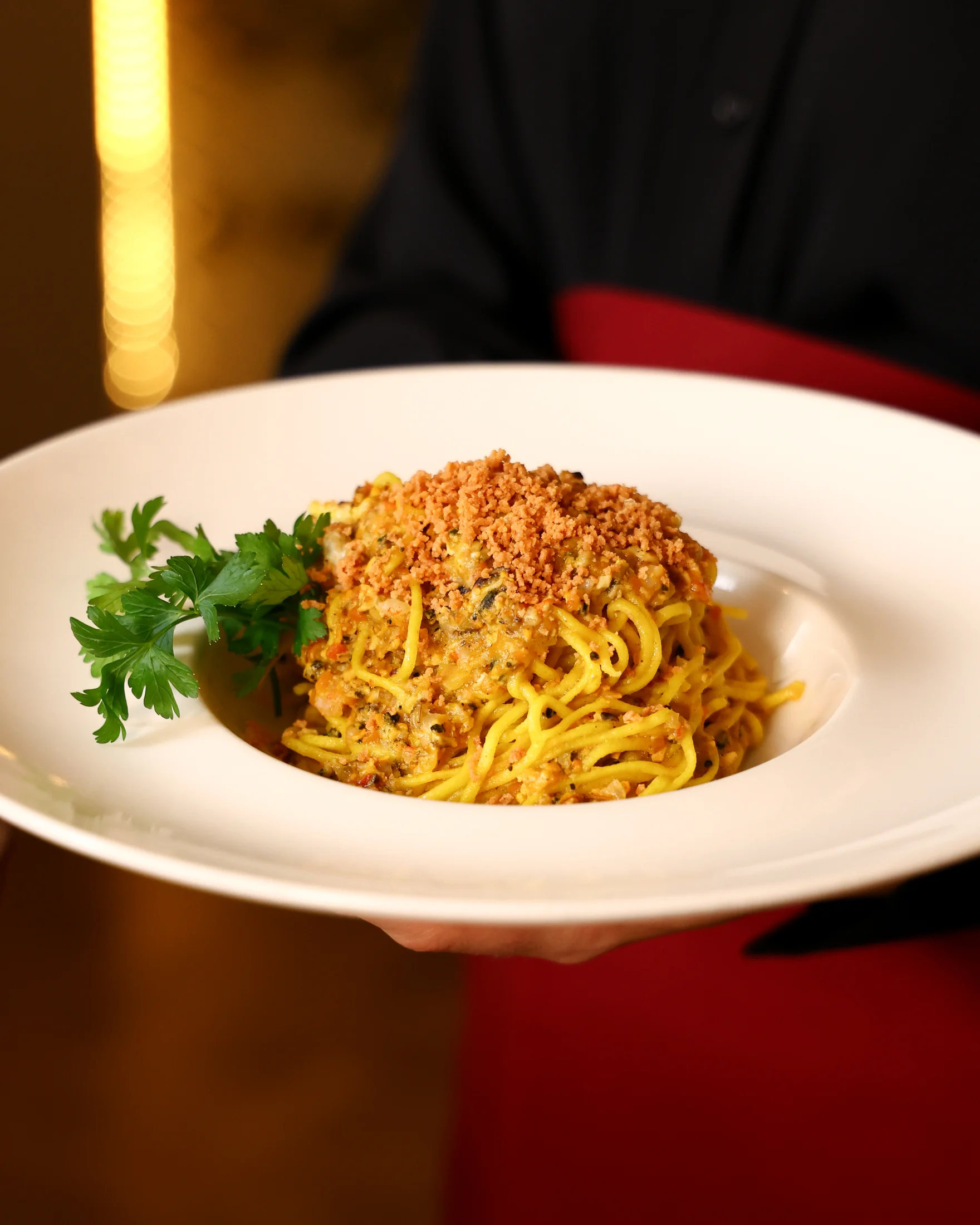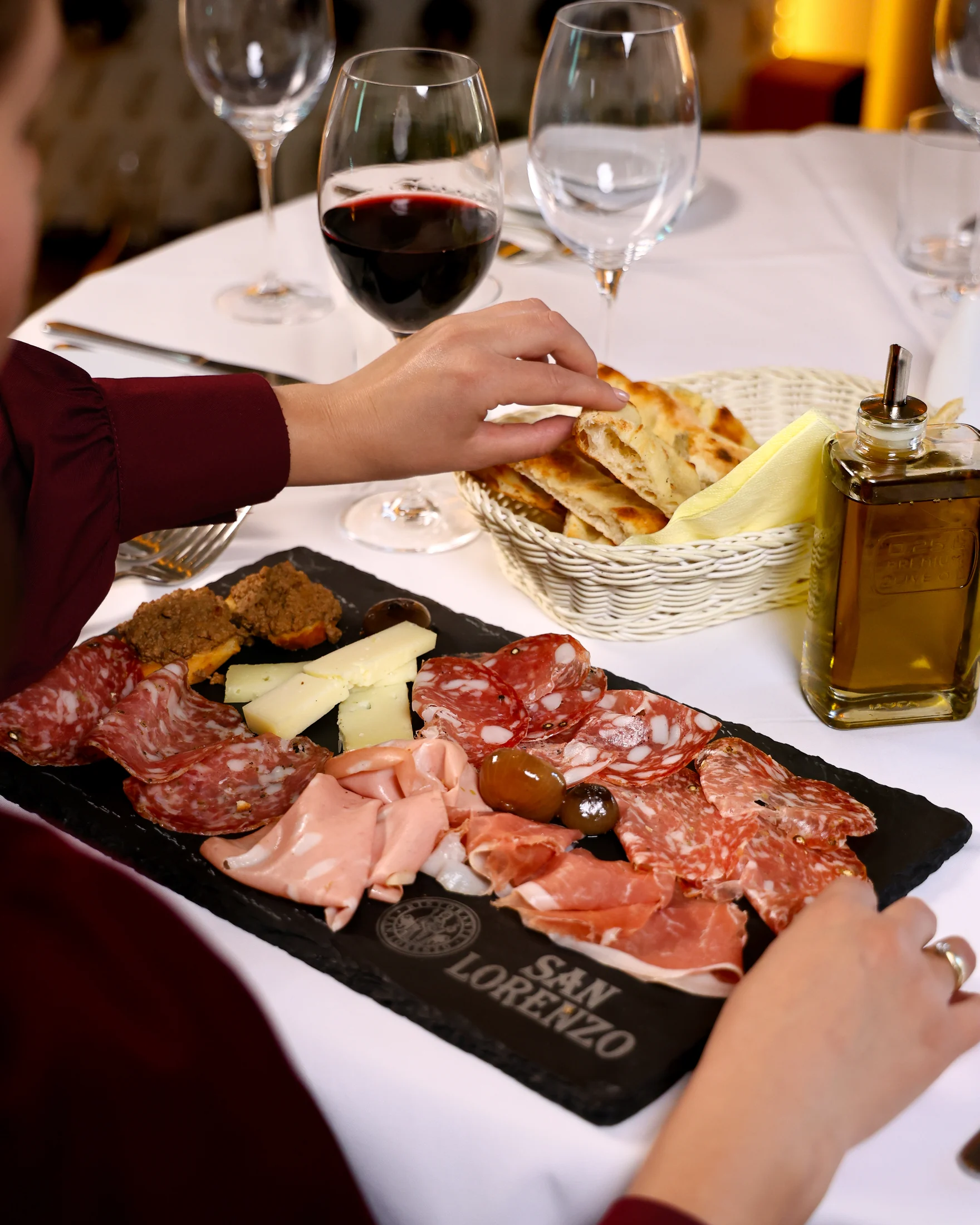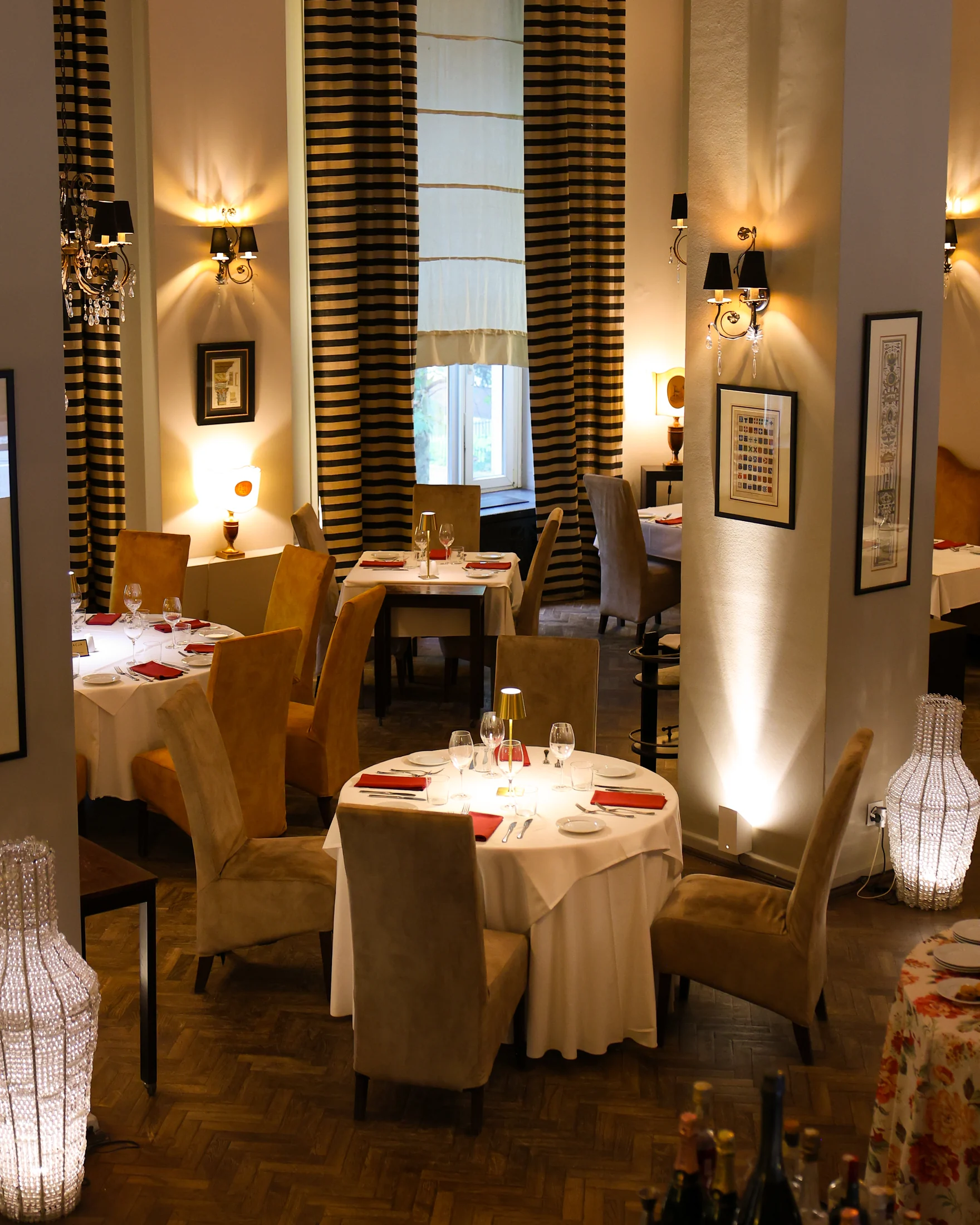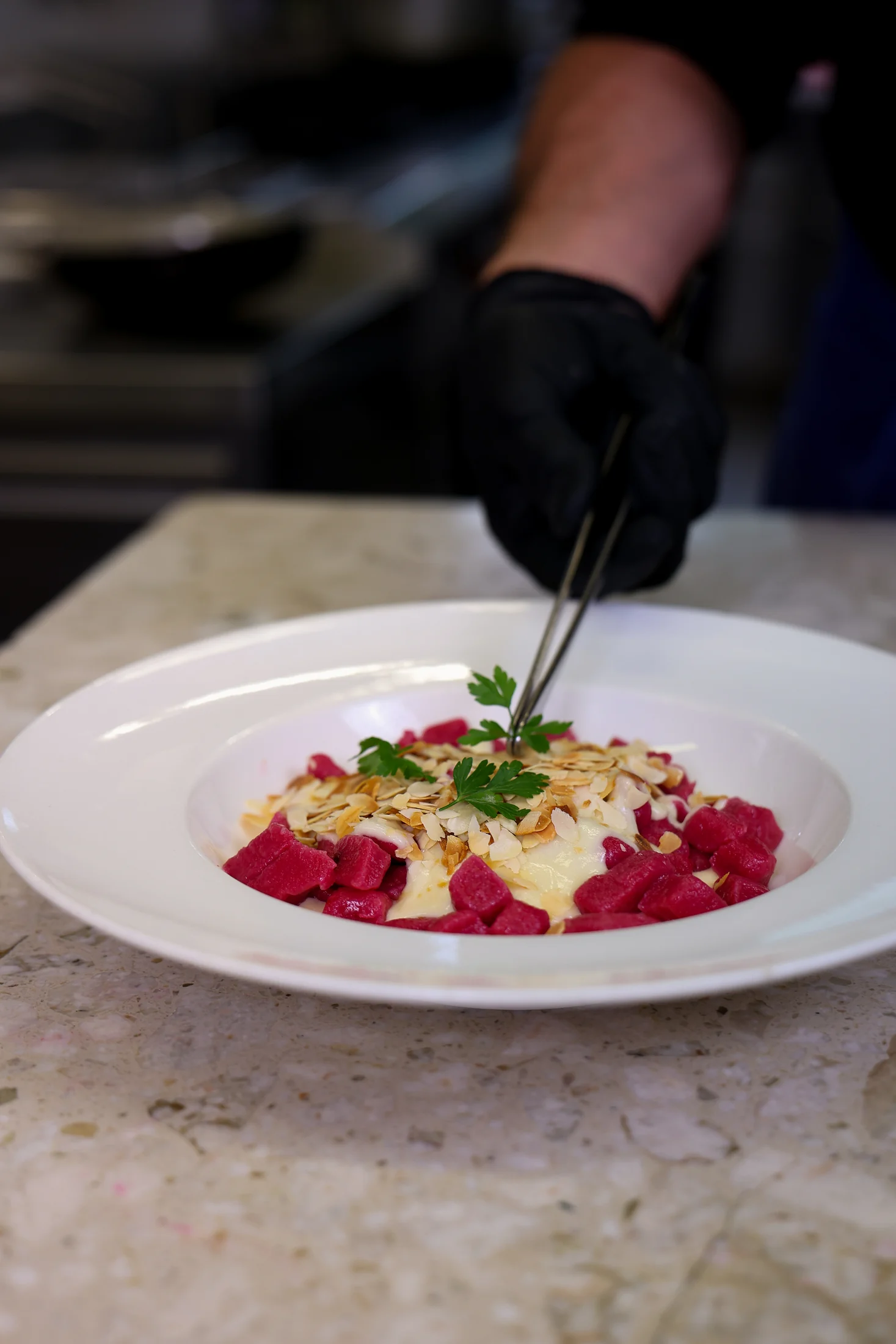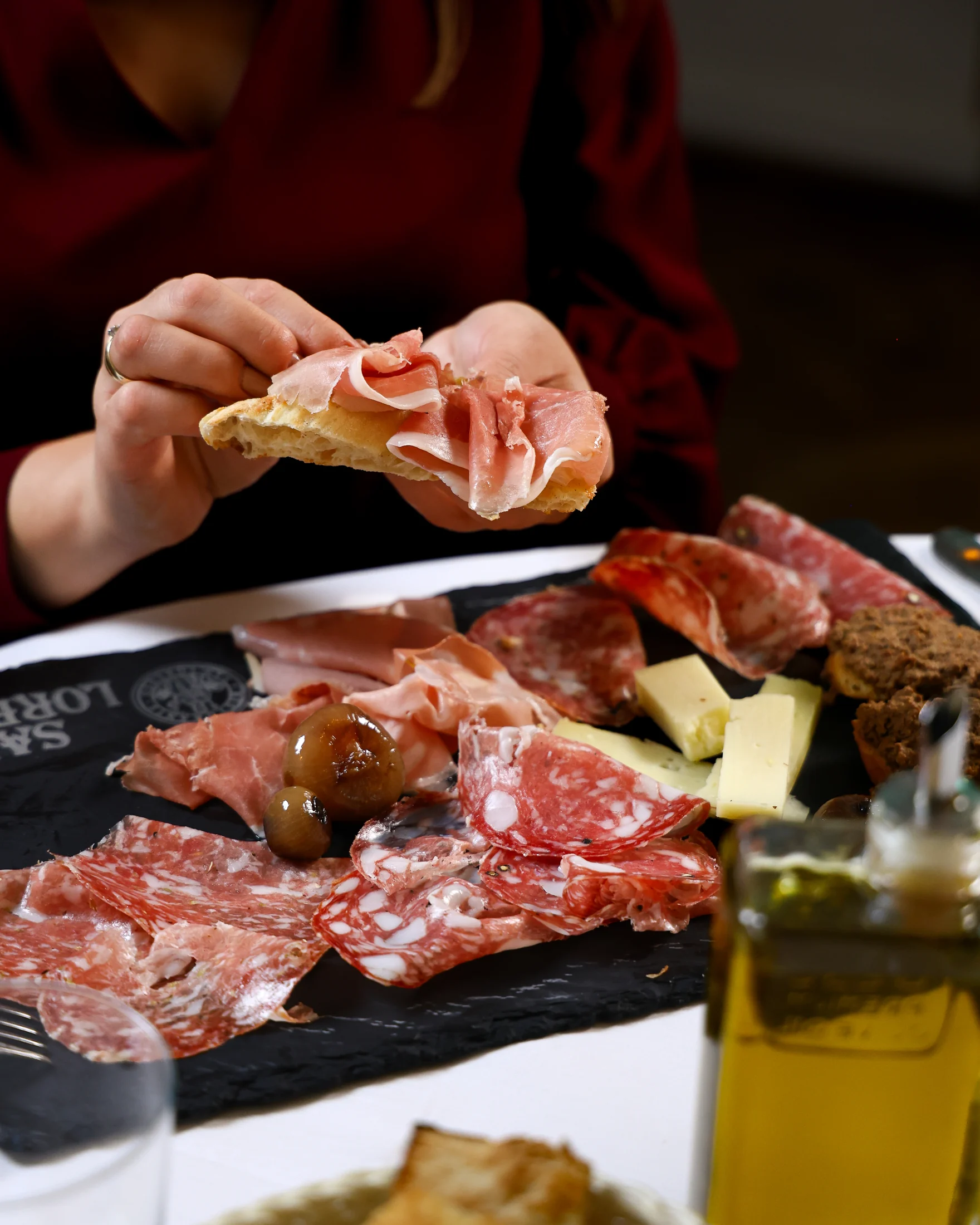


Looking for Italian cuisine in Warsaw means looking beyond a name or a decorative theme. Ingredients, cooking methods, regional knowledge and the care shown at the table offer more useful clues.
What can the menu tell you?
Read how dishes are described before deciding where to eat. A restaurant that explains ingredients and preparation gives you something concrete to assess.
Carbonara is a useful example. Its familiar Roman style relies on eggs, cheese, guanciale and black pepper, with a creamy texture created by technique rather than added cream. Variations exist, but a clear description helps guests understand what they are ordering.
With cheese, ask what is actually used. Parmigiano Reggiano and other named products have their own identities; a vague “Italian-style cheese” description tells you less. Packaging or presentation alone is not proof of quality.
Look for balance and clarity rather than simplistic tests:
- Does the tomato sauce taste balanced, and can staff explain the ingredients?
- Does the pizza match the style promised on the menu?
- Is pasta cooked to the intended texture and paired thoughtfully with its sauce?
- Can the kitchen maintain consistent quality across its menu?
- Does the team understand the regional traditions behind the dishes?
Service speed, menu length and oven fuel are not reliable verdicts on authenticity on their own. Fresh pasta may cook quickly, and different Italian pizza styles have different textures and baking methods.
DOP, IGP and STG: understanding protected names
Italian food labels may use DOP, IGP and STG. These designations describe different forms of protection; they are not interchangeable restaurant quality ratings.
DOP, the Italian abbreviation corresponding to Protected Designation of Origin, links a product to a defined geographical area and its production specification. IGP, Protected Geographical Indication, requires a geographical link with at least one relevant production stage in the area. STG, Traditional Speciality Guaranteed, protects traditional composition or production methods rather than geographical origin.
Names such as Mozzarella di Bufala Campana DOP and Prosciutto di Parma DOP refer to specific protected products. Ask staff which cheese, ham or extra virgin olive oil they use and where it comes from. For formal details, consult the product’s specification or the EU’s official geographical-indications register.
These questions are not about showing off. They help establish whether the restaurant knows and values its ingredients. A protected ingredient does not automatically certify the whole restaurant.
Italy’s regional cuisines
Italy has many culinary traditions. A restaurant may specialise in one region or thoughtfully bring several together. A broad regional menu is not automatically inauthentic; what matters is understanding and execution.
Campania, Sicily, Tuscany and Venice
Campania, including Naples, is closely associated with Neapolitan pizza, tomatoes and pasta. Dough preparation, fermentation and baking all affect the result. Rather than treating one fermentation time as a universal rule, ask how the restaurant makes the style it serves. Any claim of certification should be checked with the certifying organisation.
Tuscany often highlights simplicity and the quality of ingredients: bistecca alla fiorentina, cannellini beans, olive oil and unsalted bread are familiar examples.
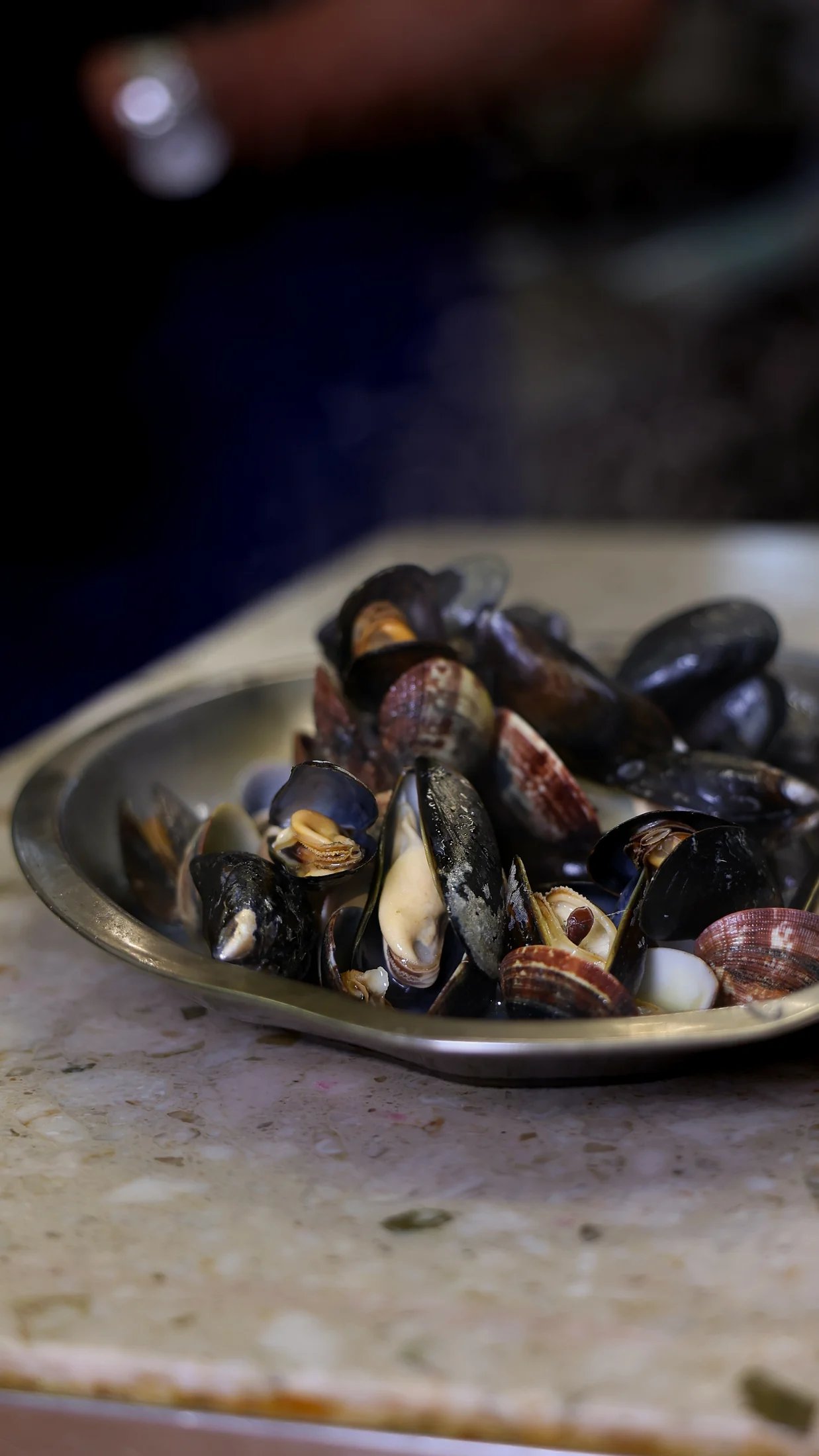
Venice is associated with cicchetti — small bites enjoyed with a drink — seafood risotto and baccalà mantecato. Sicily brings a rich mix of historical influences, reflected in arancini, sweet-and-sour aubergine caponata and almond granita.
Regional knowledge helps explain why a dish is made a certain way. Authenticity is reflected in purchasing and cooking choices as much as in décor.
The wine list
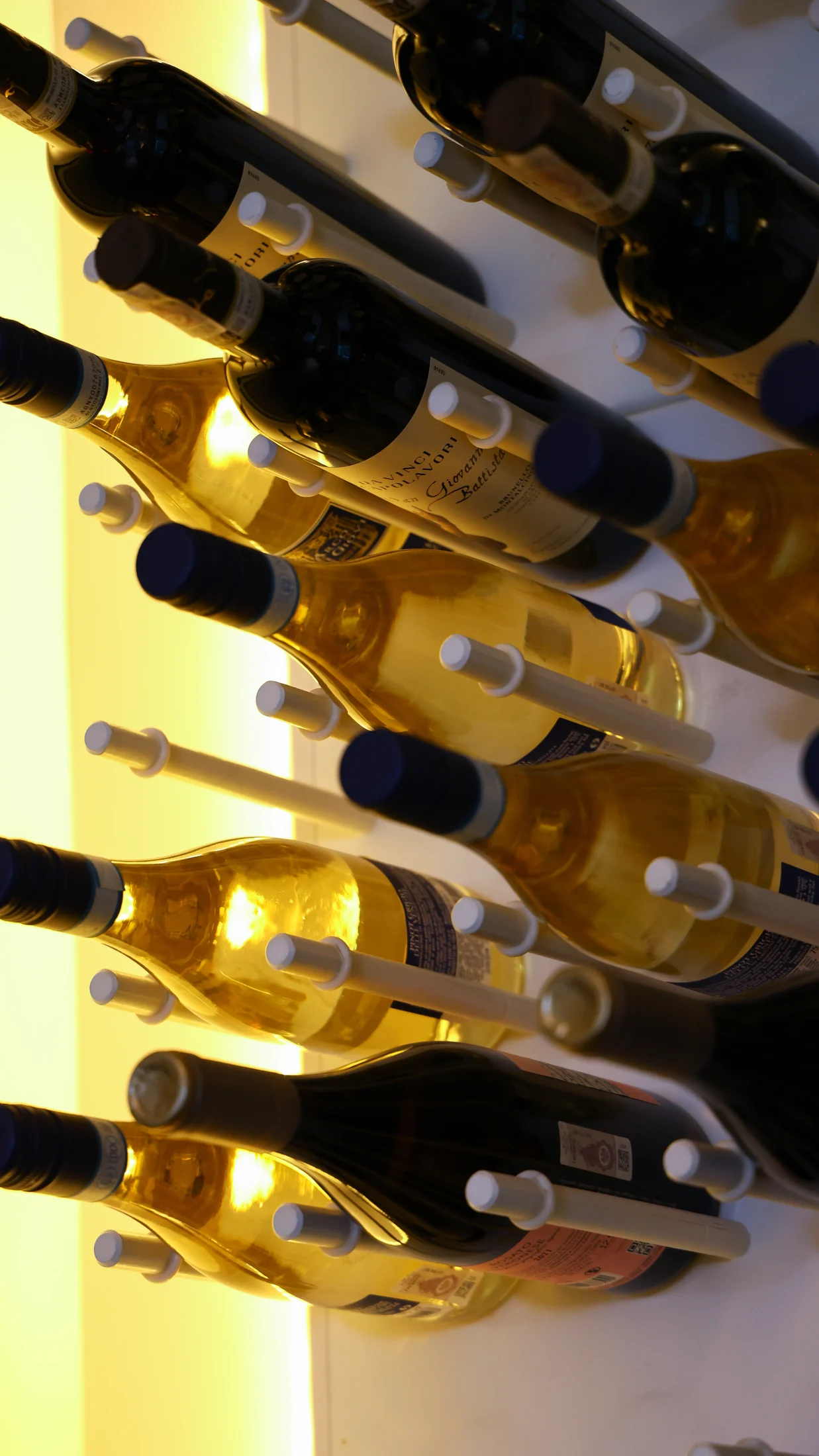
A varied Italian wine list becomes more valuable when staff can explain a pairing. They should consider the dish, your preferences and your budget, rather than simply recommending the most expensive bottle.
For example, a dry white such as Frascati or Verdicchio may be discussed with carbonara, while Soave or a suitable Pinot Grigio could accompany a delicate risotto. Pairing is not an inflexible rule: balance and personal taste matter.
Wine designations such as DOC and DOCG refer to regulated appellations and production requirements, not a guarantee that every bottle will suit every guest. Our wine list brings together wines from different Italian regions.
Atmosphere and service
Attentive service means advising rather than pressuring. Staff should know the dishes, be able to ask the kitchen about ingredients and help guests choose.
The pace matters. Antipasti, a primo such as pasta or risotto, a secondo of meat or fish, and dessert can be served with time to talk and enjoy the meal. Not everyone wants every course, and good service adapts to the table’s plans.
A useful recommendation might explain a seasonal delivery or how a dish is prepared to order. If staff cannot answer immediately, a willingness to check with the kitchen is more helpful than an invented answer.
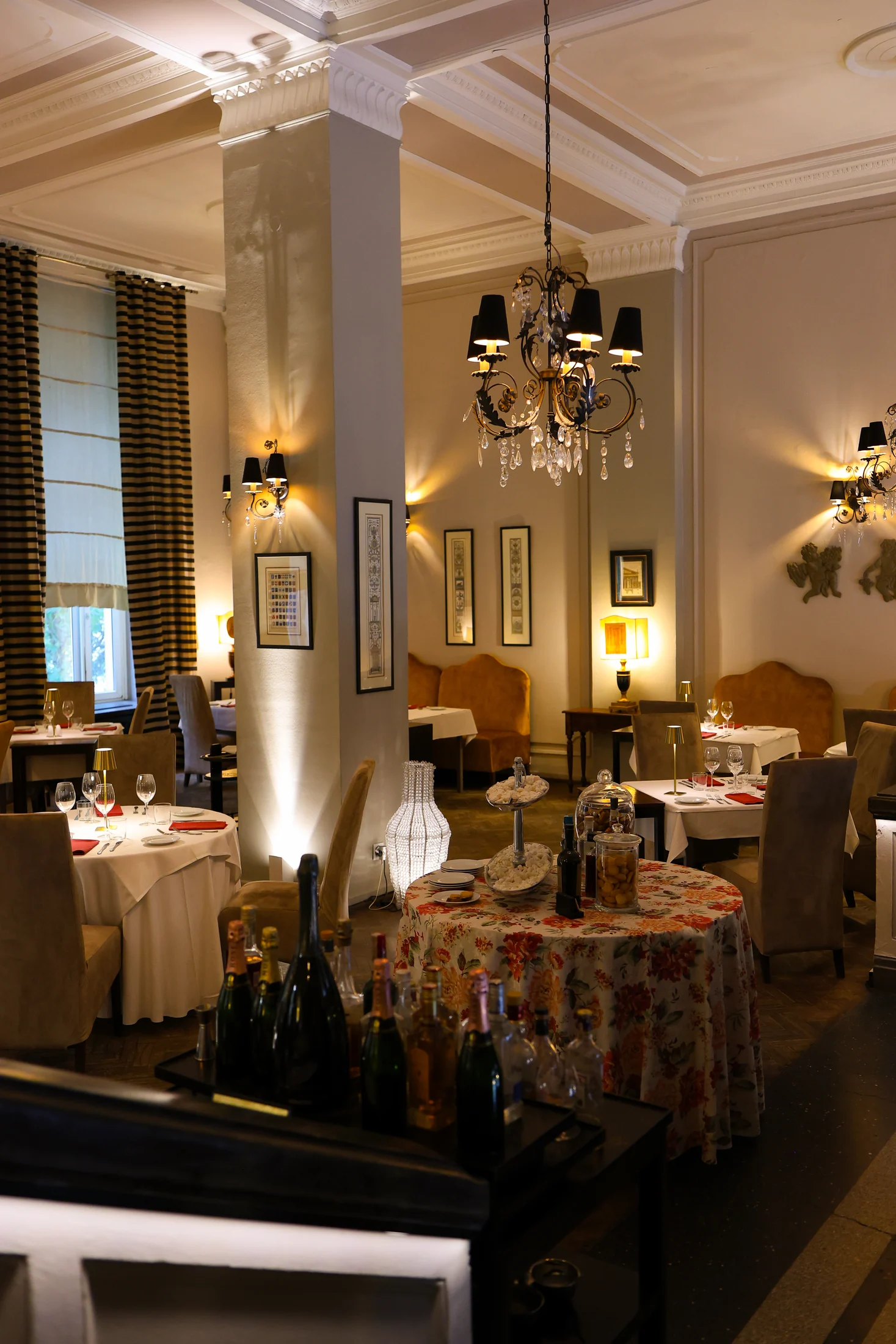
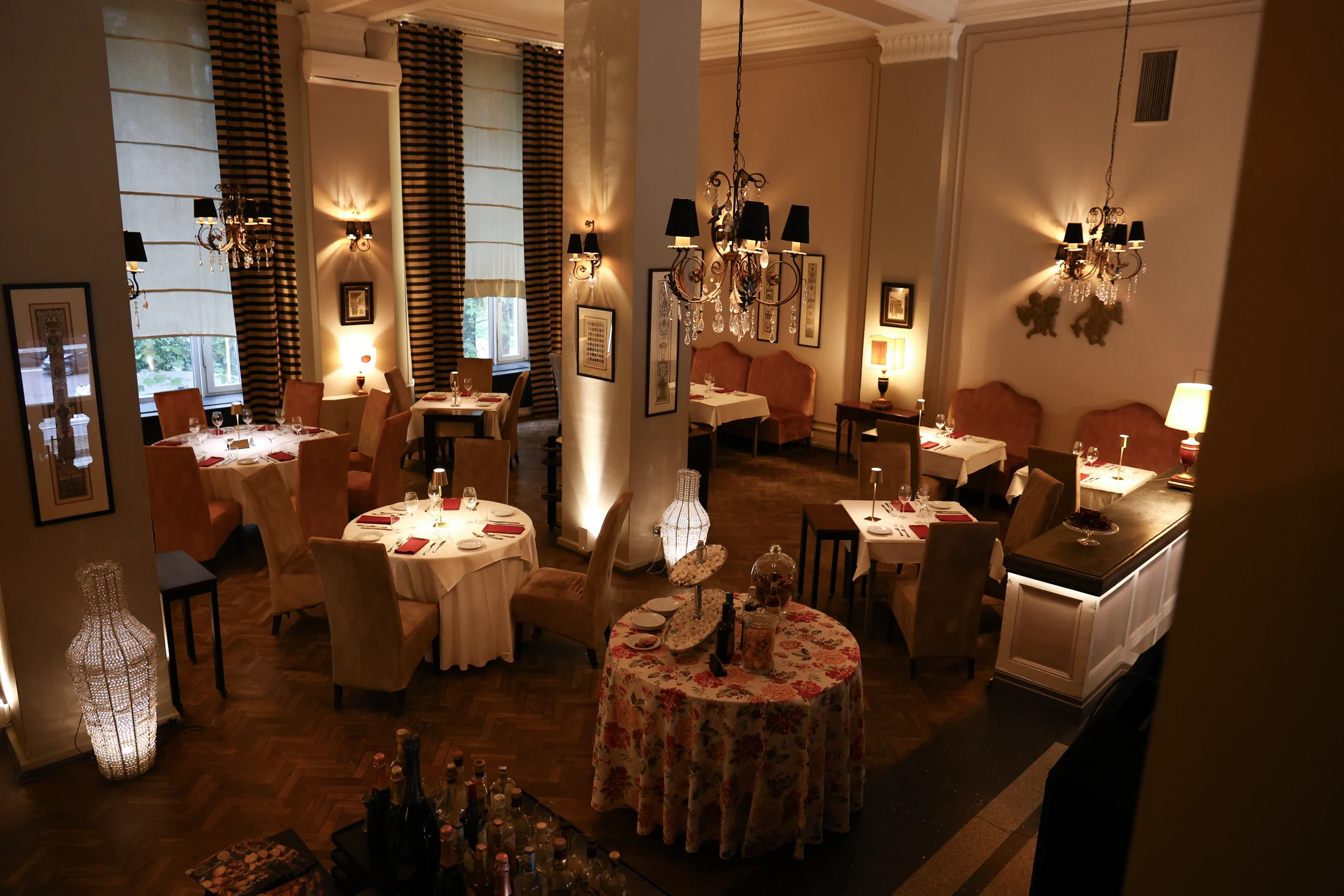
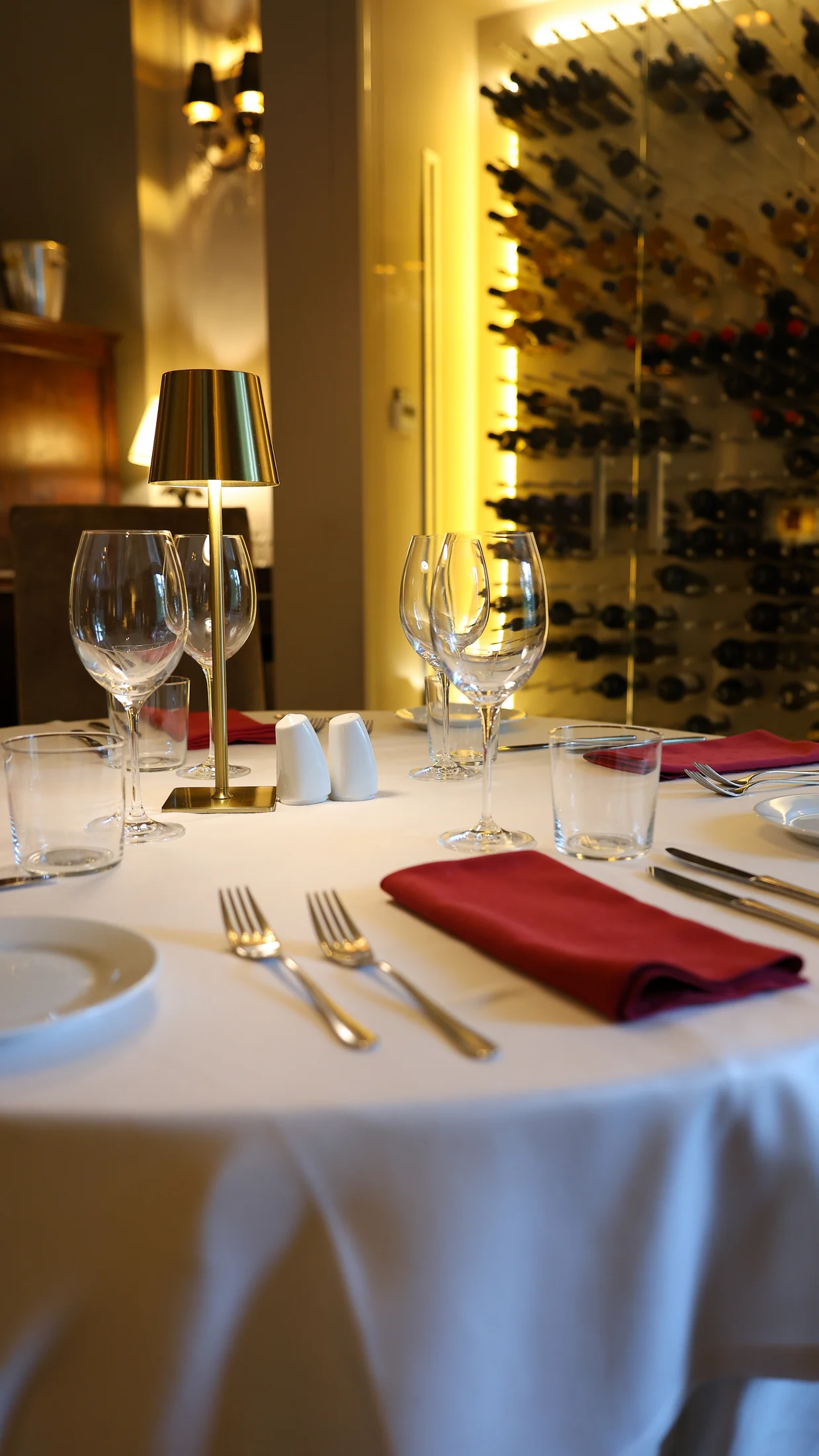
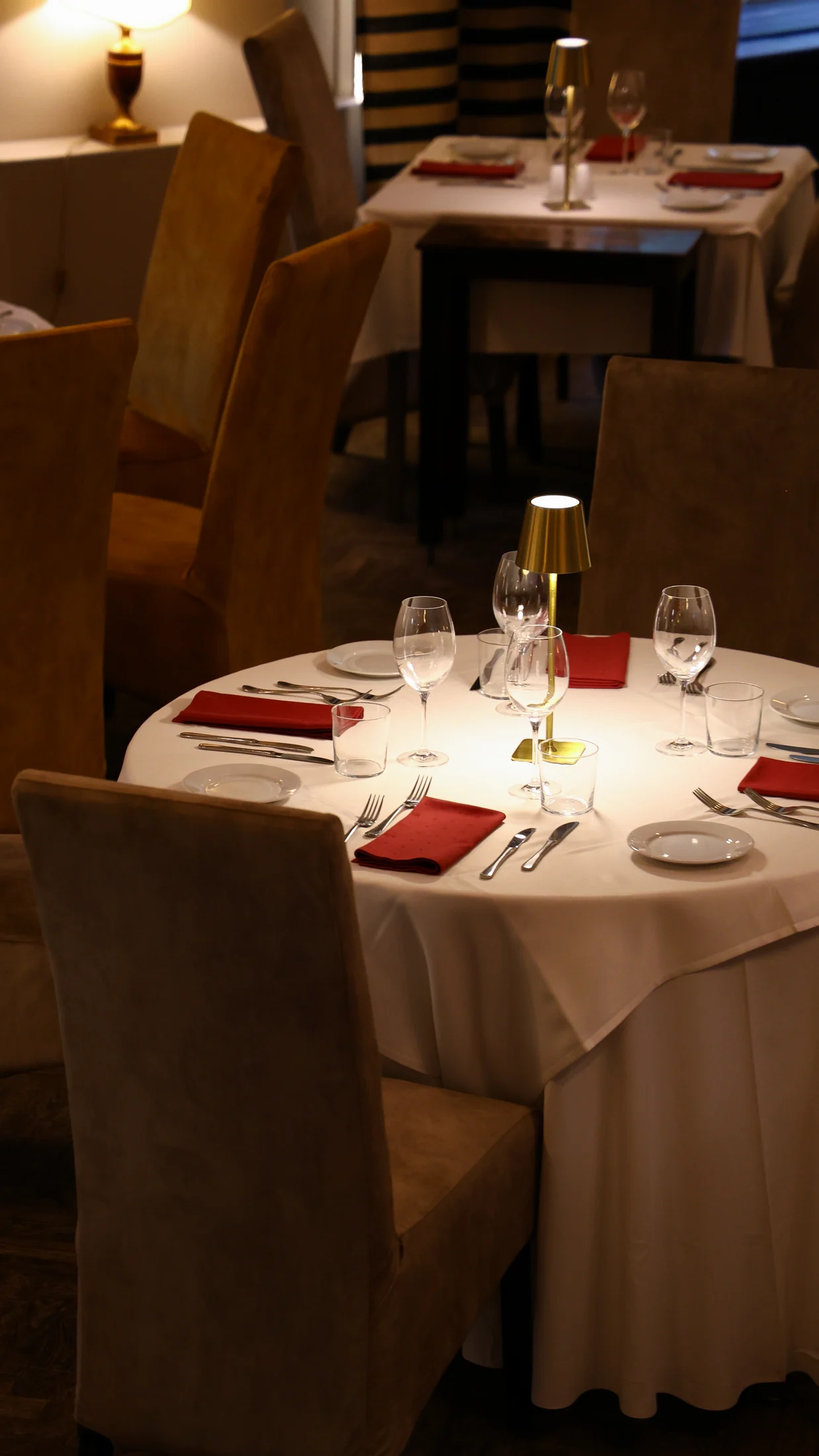
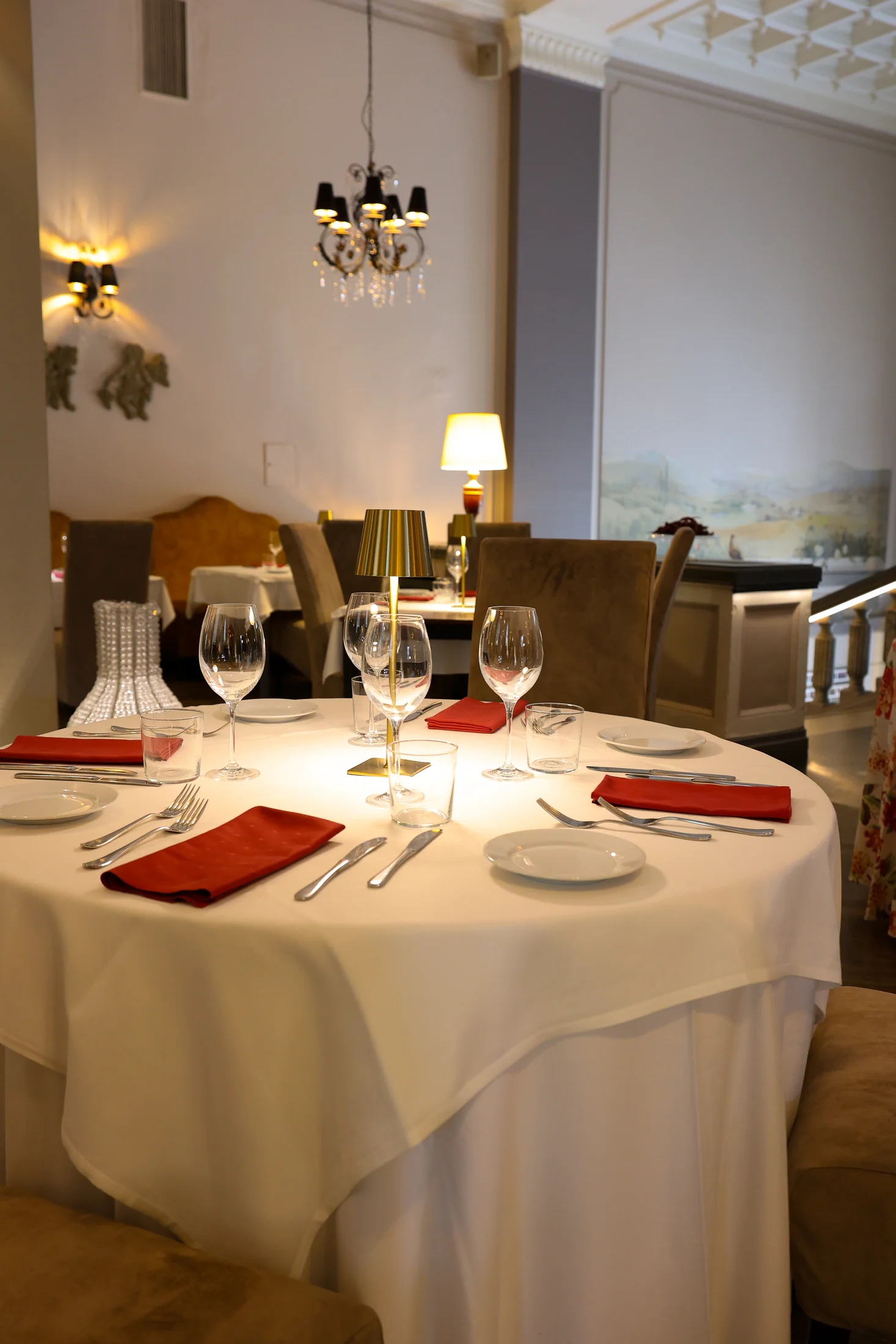
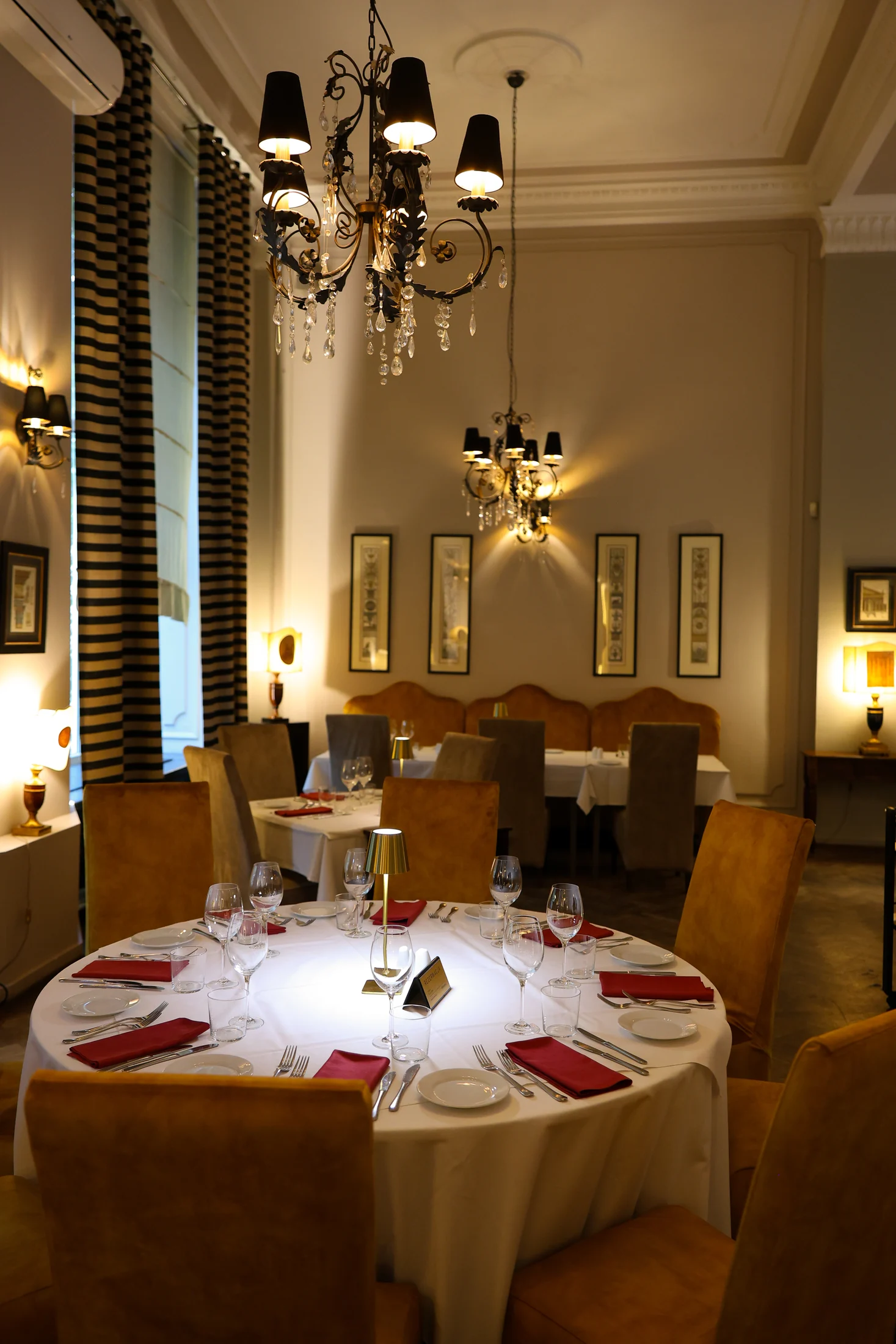
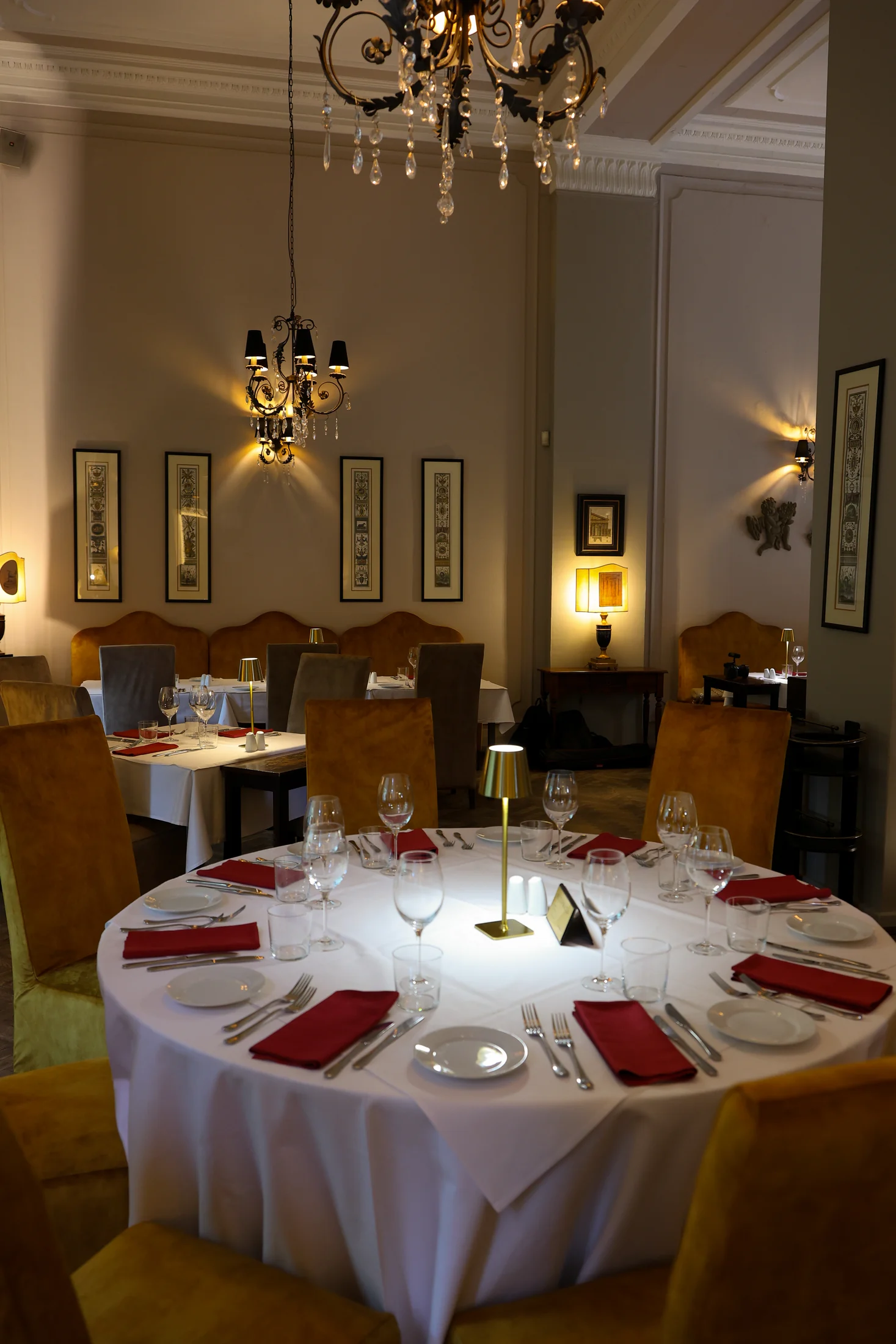
Interiors can enhance the experience, but exposed brick and photographs of Italy do not replace good ingredients. A modest room can serve excellent food, just as an elegant restaurant can combine style with substance.
Finding Italian food in Warsaw
The address is a starting point, not a quality verdict. Look at menus, specific reviews and the restaurant’s own explanation of its cooking.
The centre and Old Town area
Central Warsaw offers many different restaurants. Before visiting, read ingredient descriptions online and look for information about the kitchen team and suppliers. Experience and care matter more than a chef’s nationality alone.
Reviews discussing pasta texture, sauce balance or service are often more informative than a single “delicious” or “expensive”. A coherent menu and clear answers are useful signs wherever the restaurant is located.
Bemowo and other neighbourhoods
Neighbourhood restaurants outside the centre can also reward exploration. Regular local guests may value consistency and personal service, but location alone does not establish quality or price.
Ask whether pasta and desserts are made on site and which mozzarella is used. Honest explanations tell you more than an Italian sign above the door. Fresh and dried pasta both have legitimate places in Italian cooking; the important question is whether the chosen pasta suits the dish and is prepared well.
What should you order to explore a restaurant?
A few simple choices can reveal the kitchen’s approach without a long tasting menu.
Start with mozzarella di bufala or burrata if offered. Notice freshness, texture and balance. Burrata combines a mozzarella exterior with a creamy filling; a simple presentation with good olive oil lets its flavour come through. Accompaniments should be judged as part of the dish, not against a blanket prohibition.
Then consider carbonara or cacio e pepe if they are on the menu. With relatively few ingredients, technique matters. Look for a well-integrated sauce, an appropriate pasta texture and balanced seasoning.
Finish with espresso if you enjoy coffee. Aroma, body and balance are more useful than a rigid rule about crema colour or the absence of acidity: beans, roast and preparation all affect flavour.
Good Italian cooking is not a secret reserved for connoisseurs. It rests on thoughtful ingredients, clear recipes, skilled preparation and respect for regional traditions. Knowing what to ask makes it easier to find an Italian restaurant in Warsaw that offers substance as well as a name.