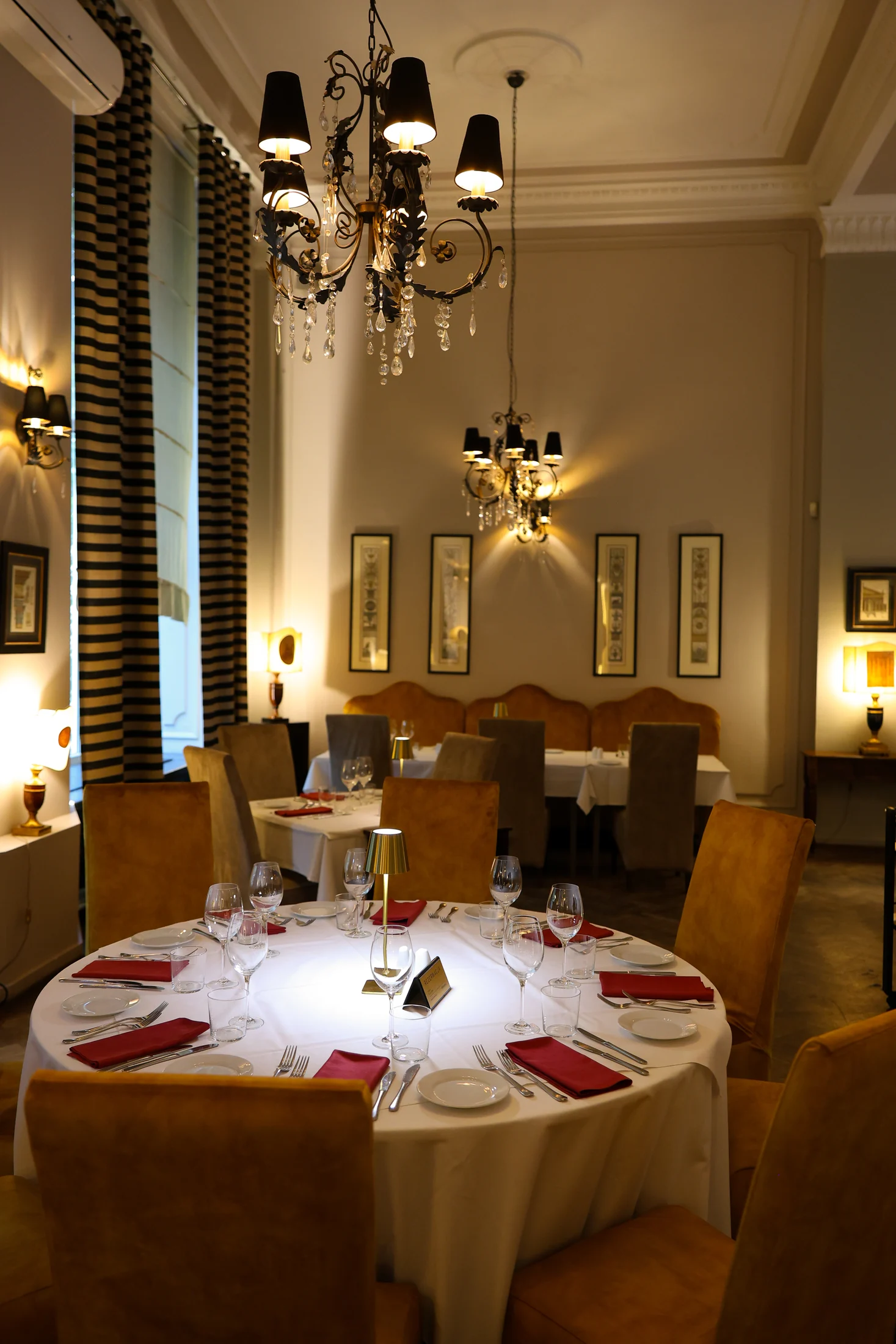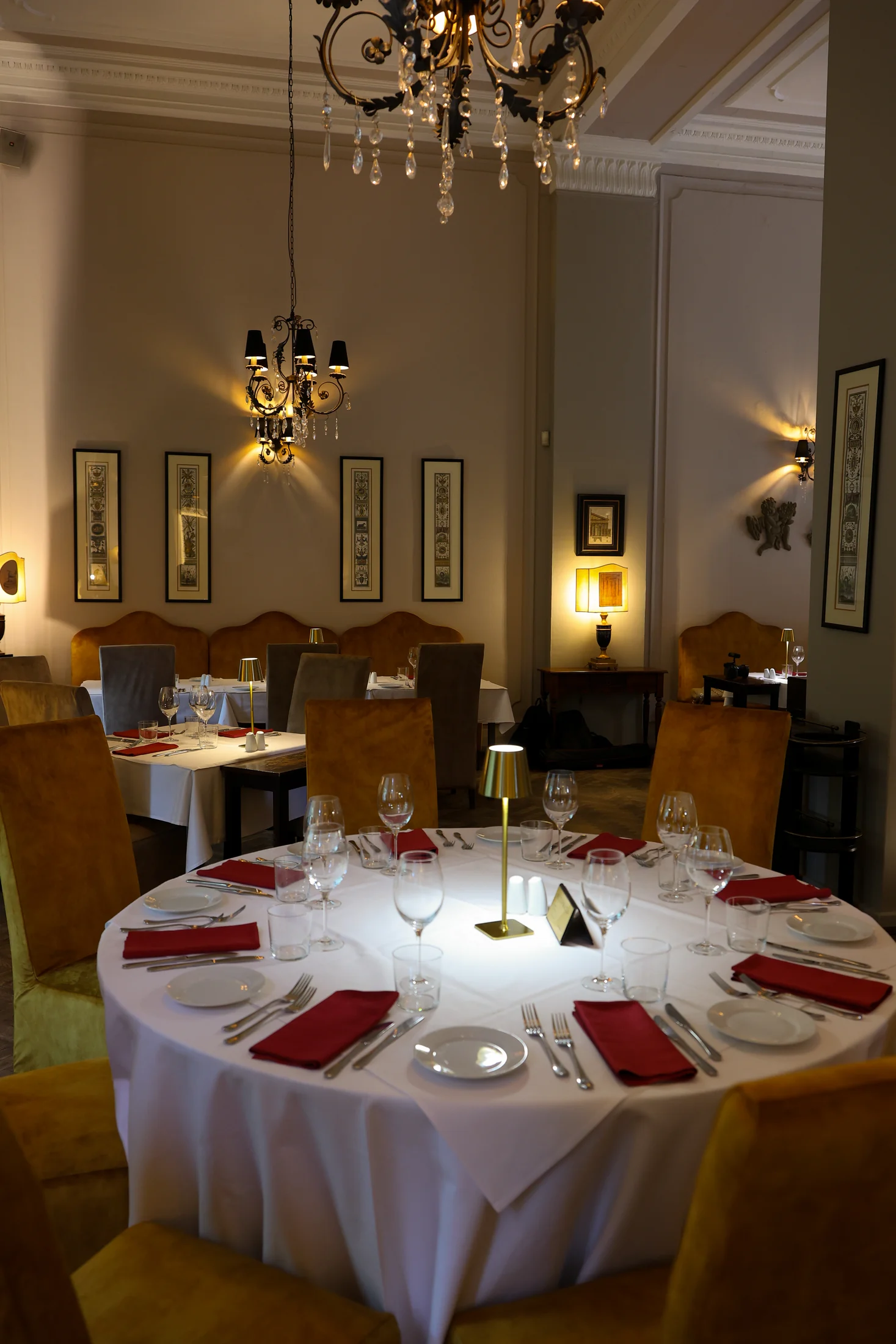


Choosing a restaurant for a business meeting shapes the first impression and the atmosphere of the conversation. A thoughtfully planned dinner can give business relationships time and space to develop.
Why the setting matters
The restaurant is part of the message you send before the first handshake. A well-chosen, calm venue suggests care and preparation; a noisy, unsuitable setting may undermine even excellent food.
A shared meal can make conversation feel less formal than a meeting room. A client lunch or company dinner is therefore about creating comfortable conditions for discussion as well as eating well. The setting alone does not guarantee trust or a successful negotiation.
Avoid choosing only by price or prestige. An ostentatious venue may make a first meeting uncomfortable, while an inconvenient one may suggest little thought was given to the guest. Look for a clear identity, attentive service and a quiet place to talk.
Choosing a suitable business restaurant
Location, atmosphere and professional service should work together to support an easy conversation.
Location and access
Choose somewhere convenient for your guest’s office or hotel. The source suggests a journey of around 15 minutes as a useful target, but actual travel conditions matter more than a rigid limit.
Consider public transport, parking and how well the guest knows the area. A central venue or one near their hotel can reduce uncertainty. Send clear directions and allow for traffic.
Book in advance; 48 hours is a useful minimum planning example, with more notice for busy dates. Ask for a table away from the entrance, kitchen and large groups. A quieter corner or separate area can reduce distractions, though sensitive matters still require appropriate privacy.
Atmosphere and interiors
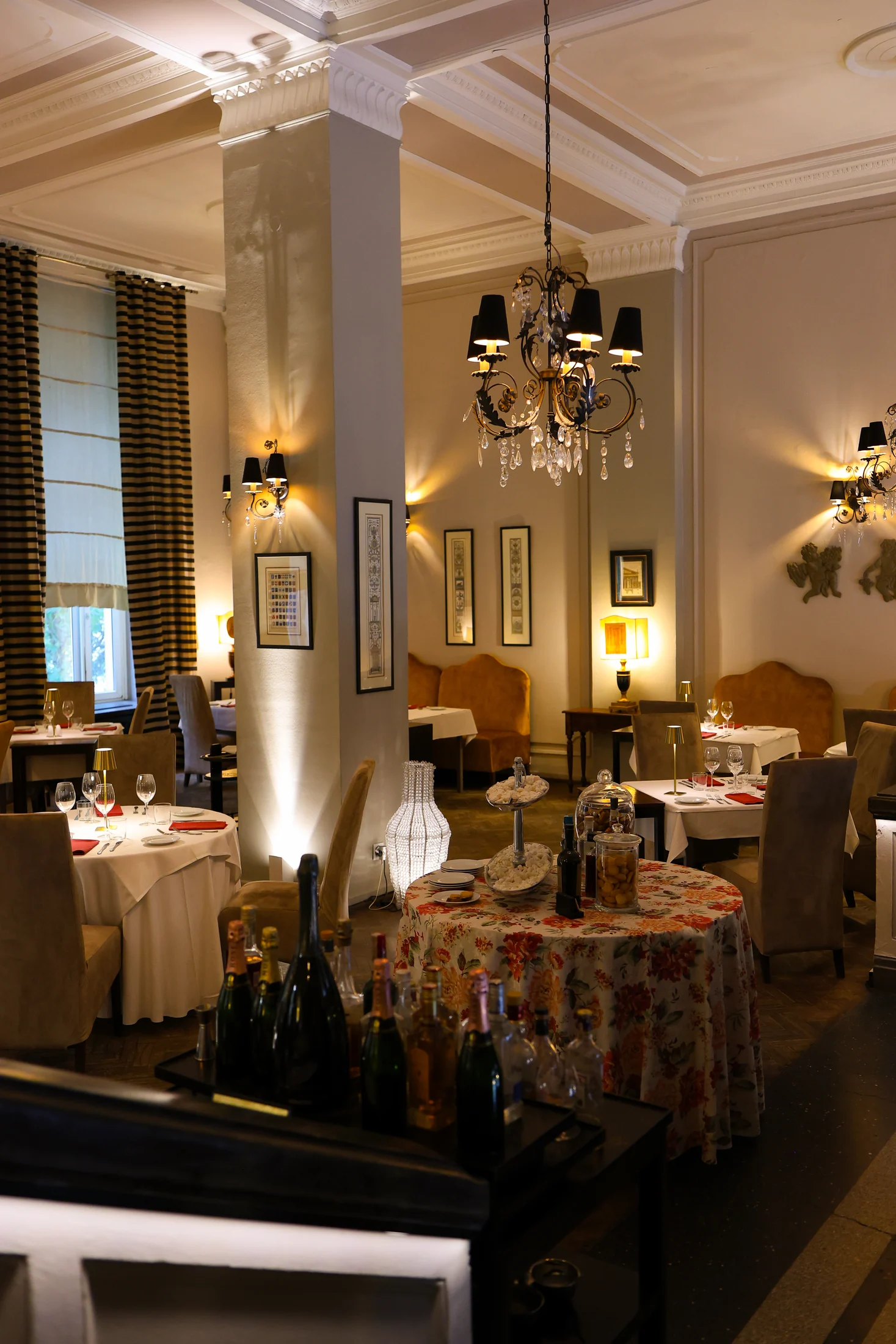
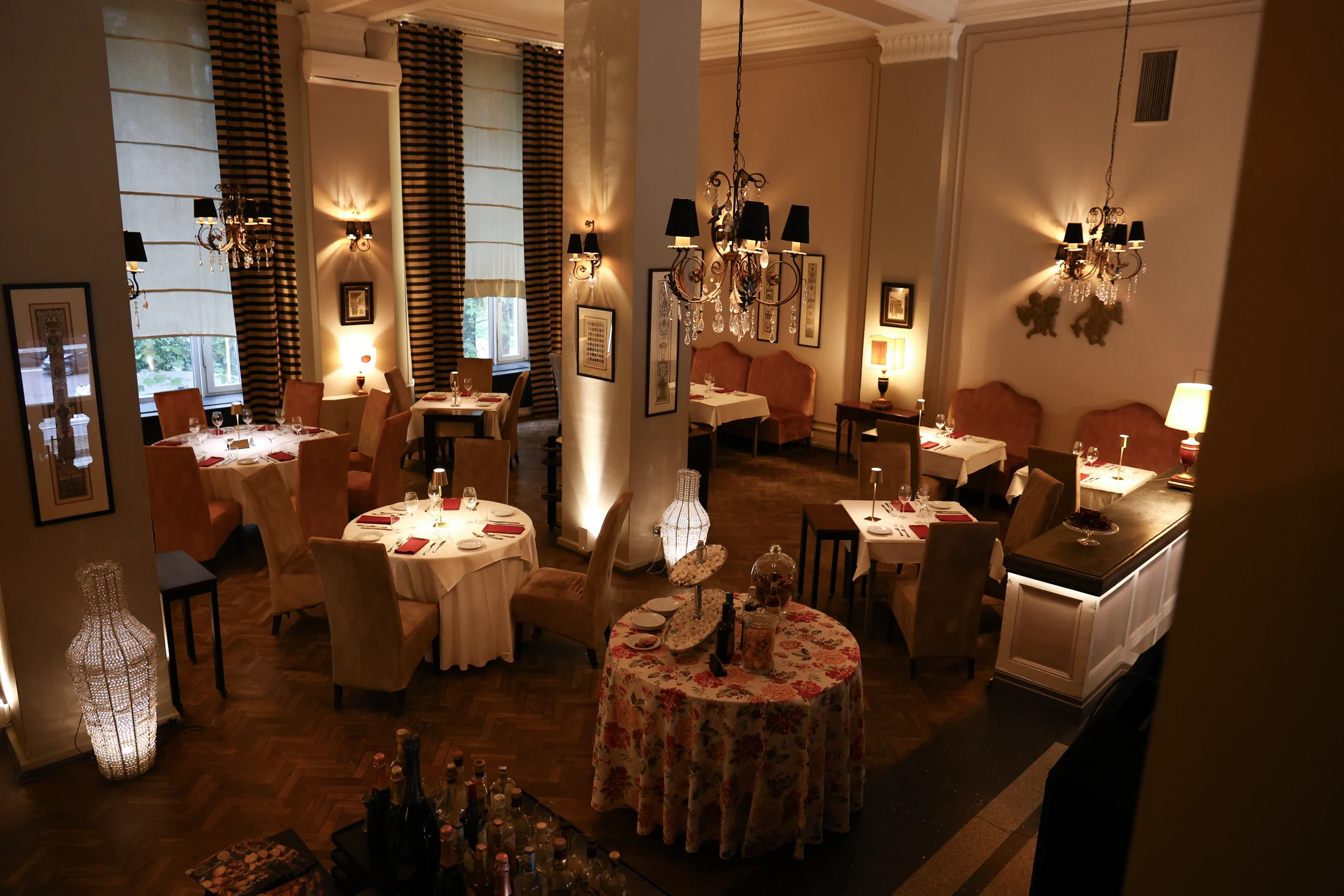
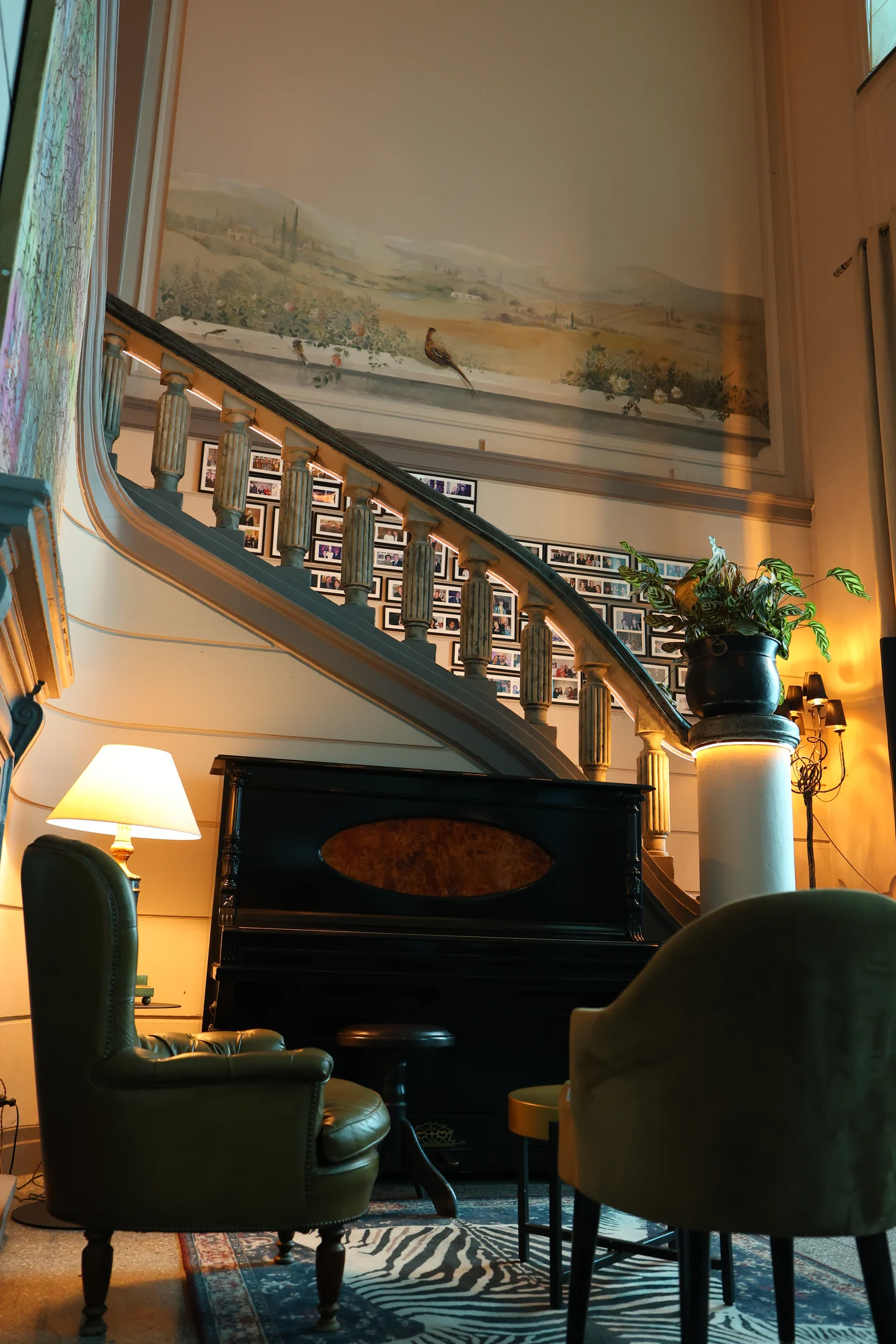
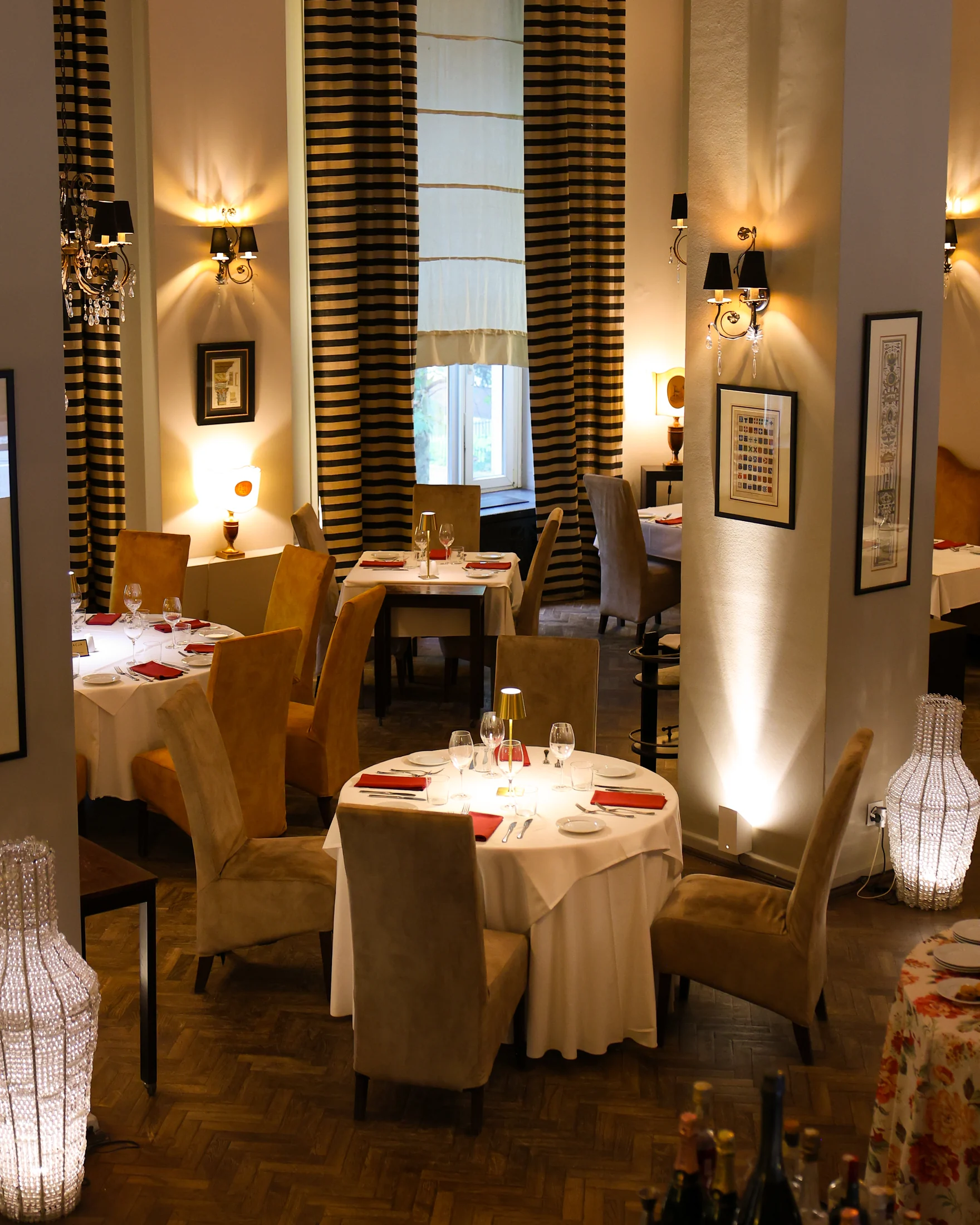
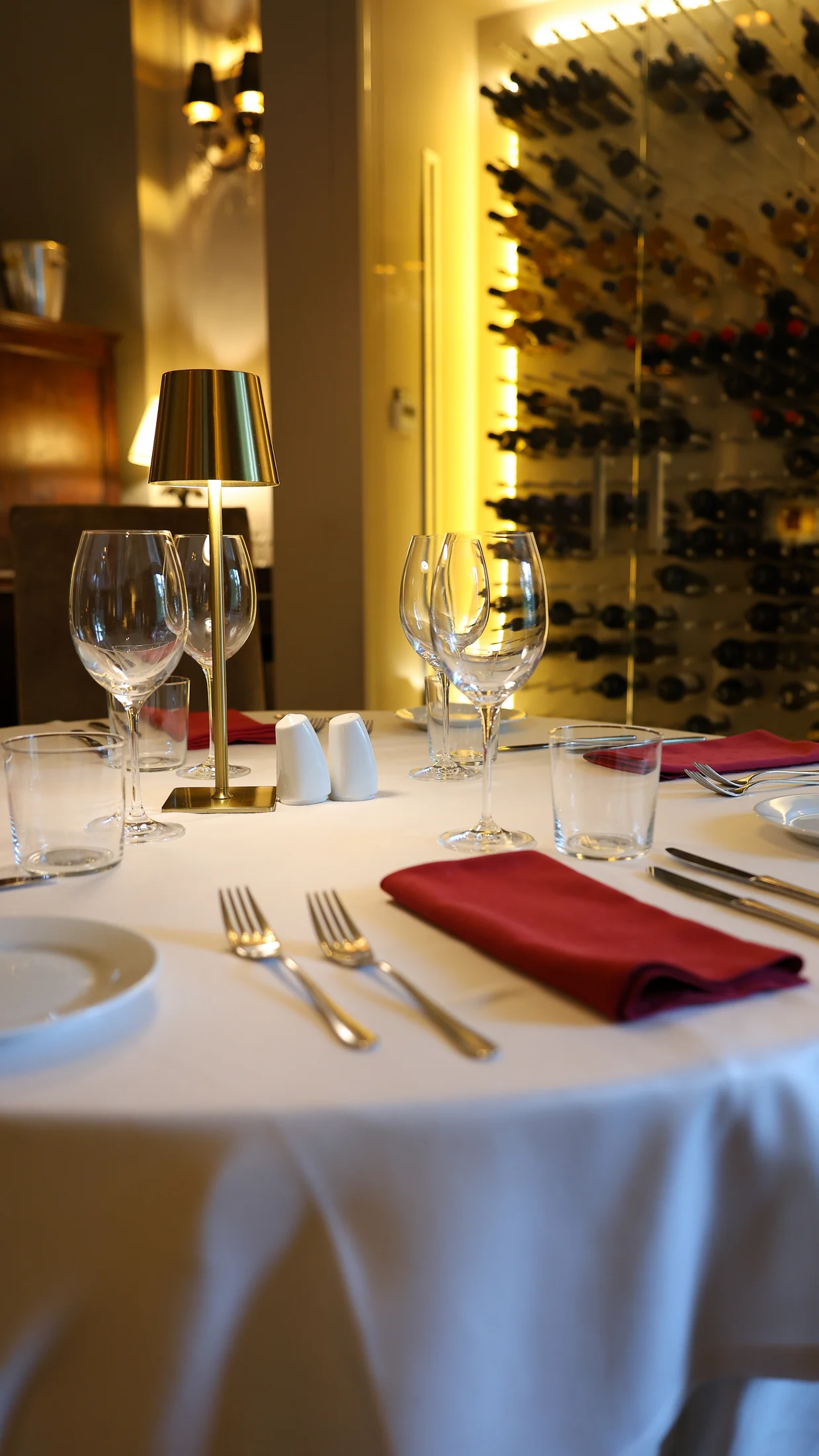
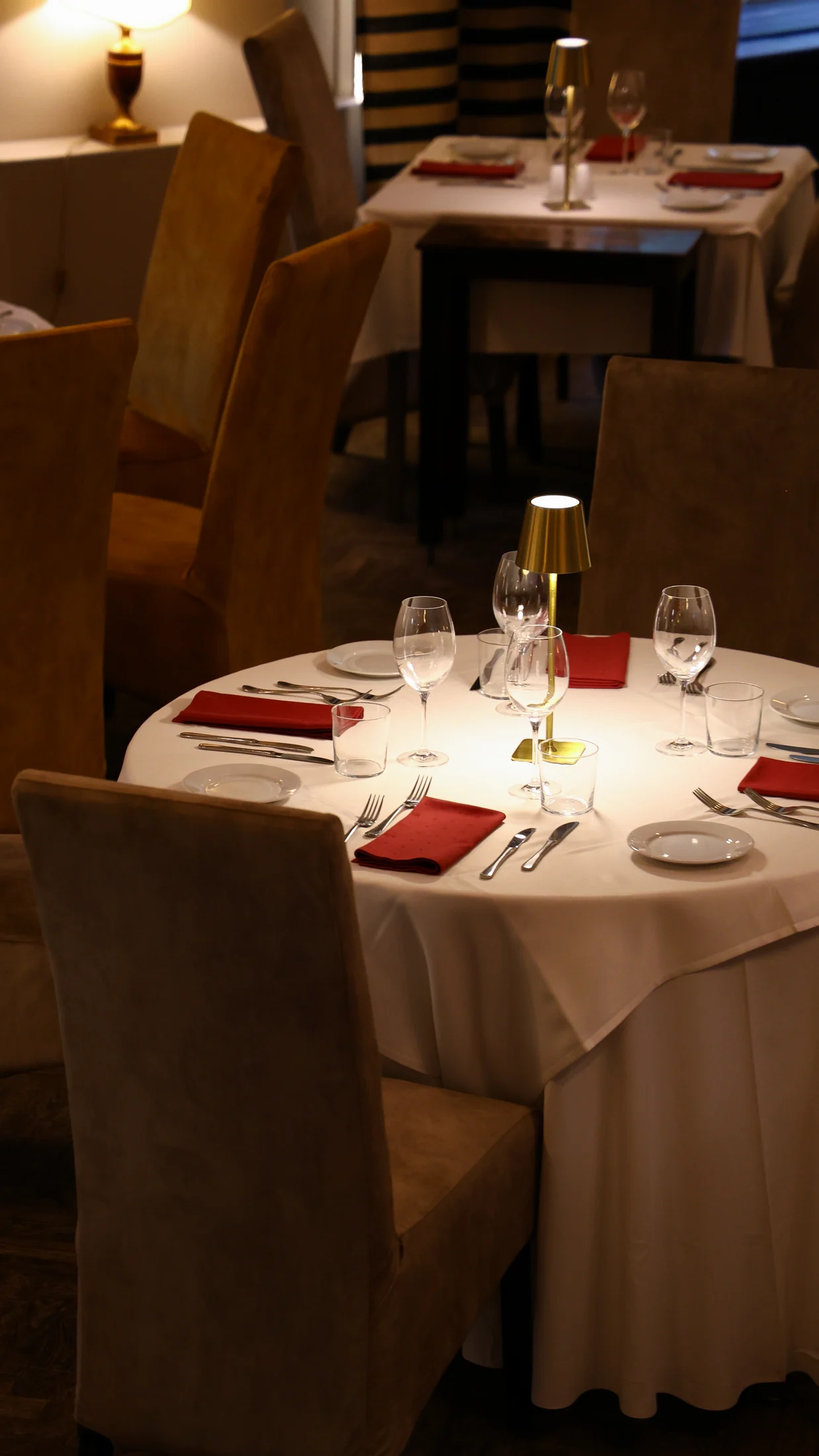
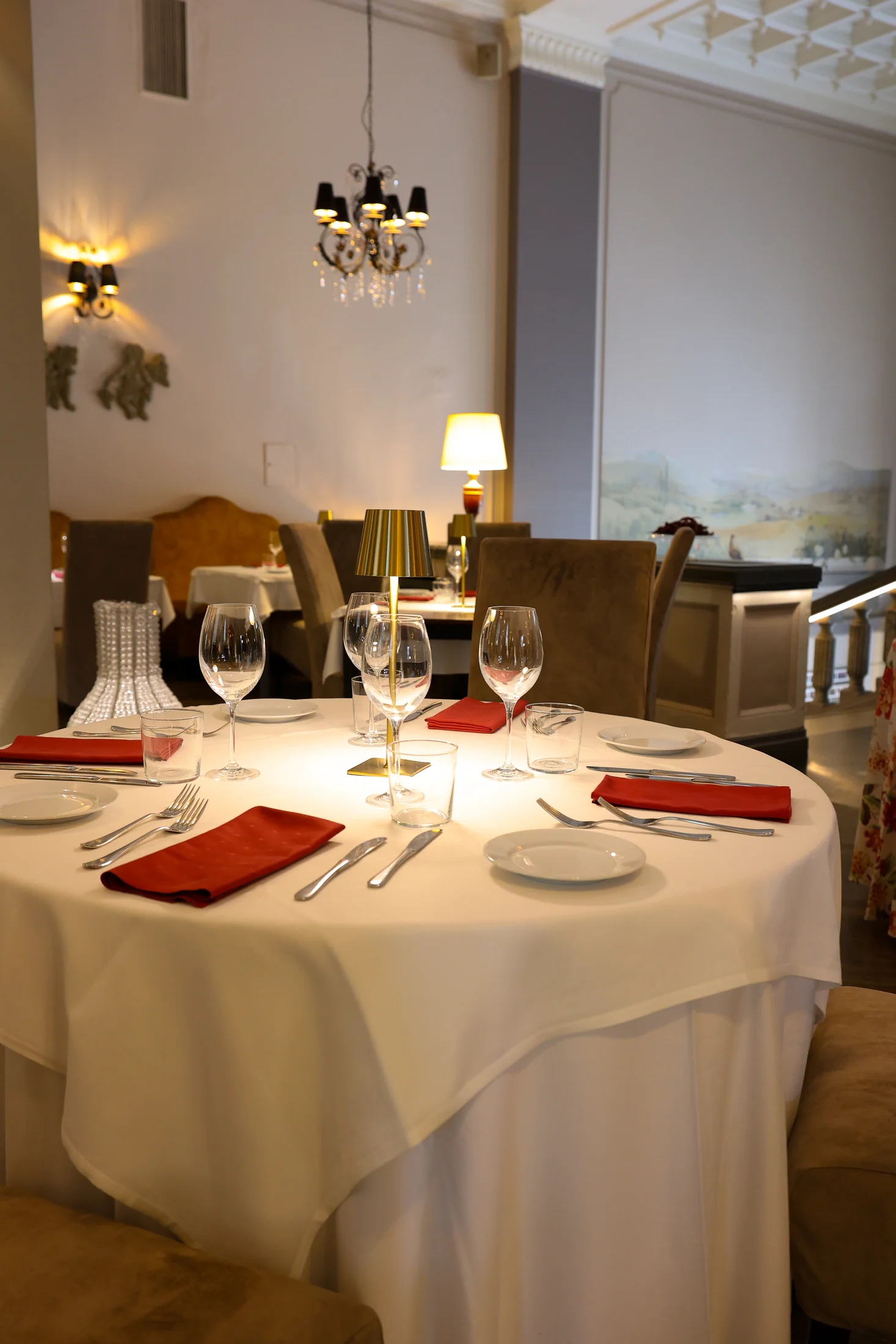
A coherent, understated setting helps attention stay on the conversation. Noise matters as much as appearance. If guests must compete with music or neighbouring tables, discussion becomes tiring and confidential details may be overheard.
Visit at a similar time of day if possible, or look for reviews mentioning acoustics. Explain the purpose of the meeting when booking.
Experienced waiting staff can time service discreetly, handle changes efficiently and present the bill without interrupting an important discussion.
The menu: what to order and how to ask about guests’ needs
Choose dishes that are comfortable to eat and do not distract from the meeting. Before booking, check the menu for enough choice to accommodate the group.
Ask about dietary needs professionally and ahead of time: “Are there any foods you avoid or allergies I should mention when booking?” This shows preparation and gives the restaurant time to confirm suitable options.
Do not infer requirements from someone’s nationality or religion. Ask each guest about their preferences, including any halal, kosher, vegetarian or allergy-related needs, and check whether the restaurant can accommodate them safely.
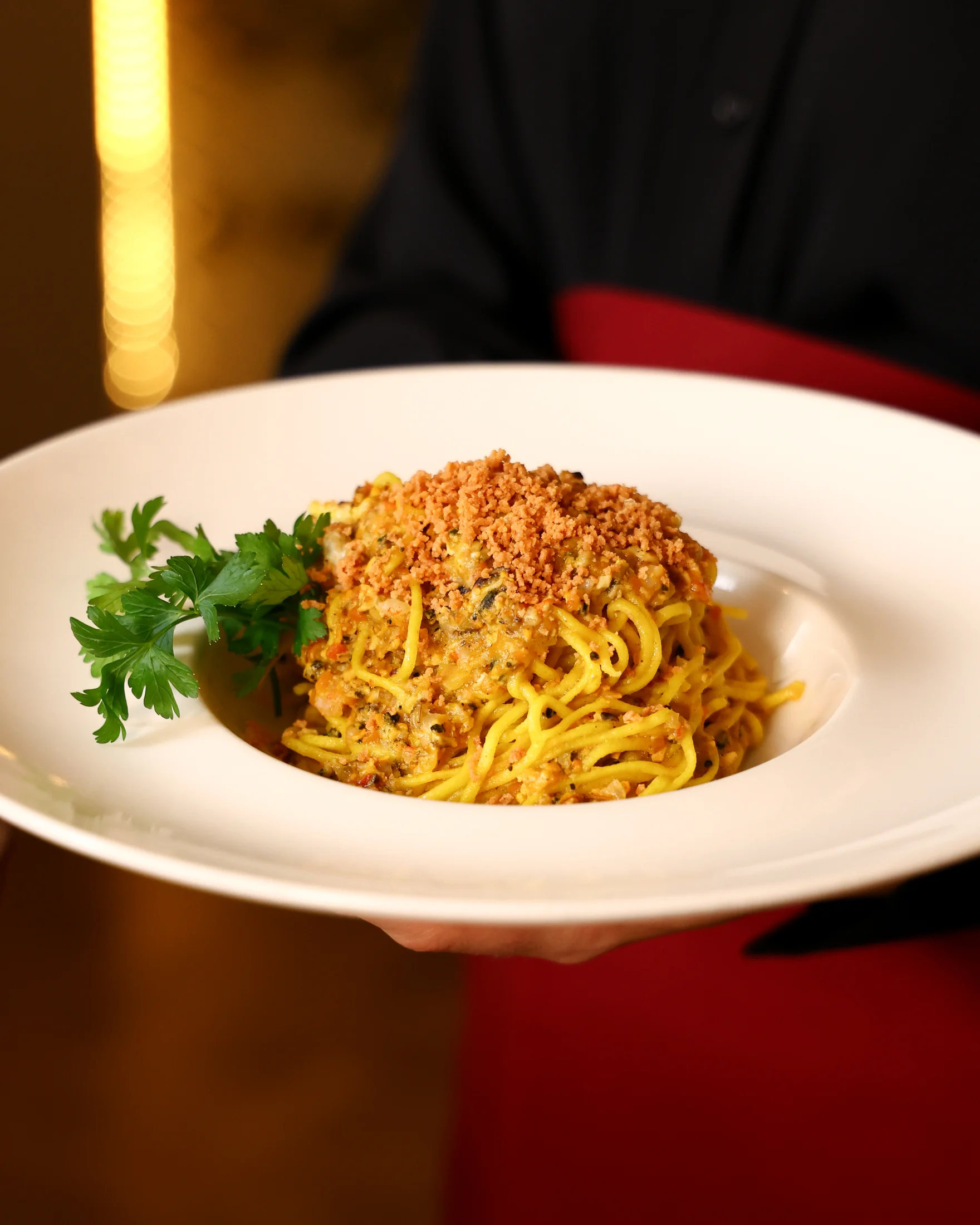
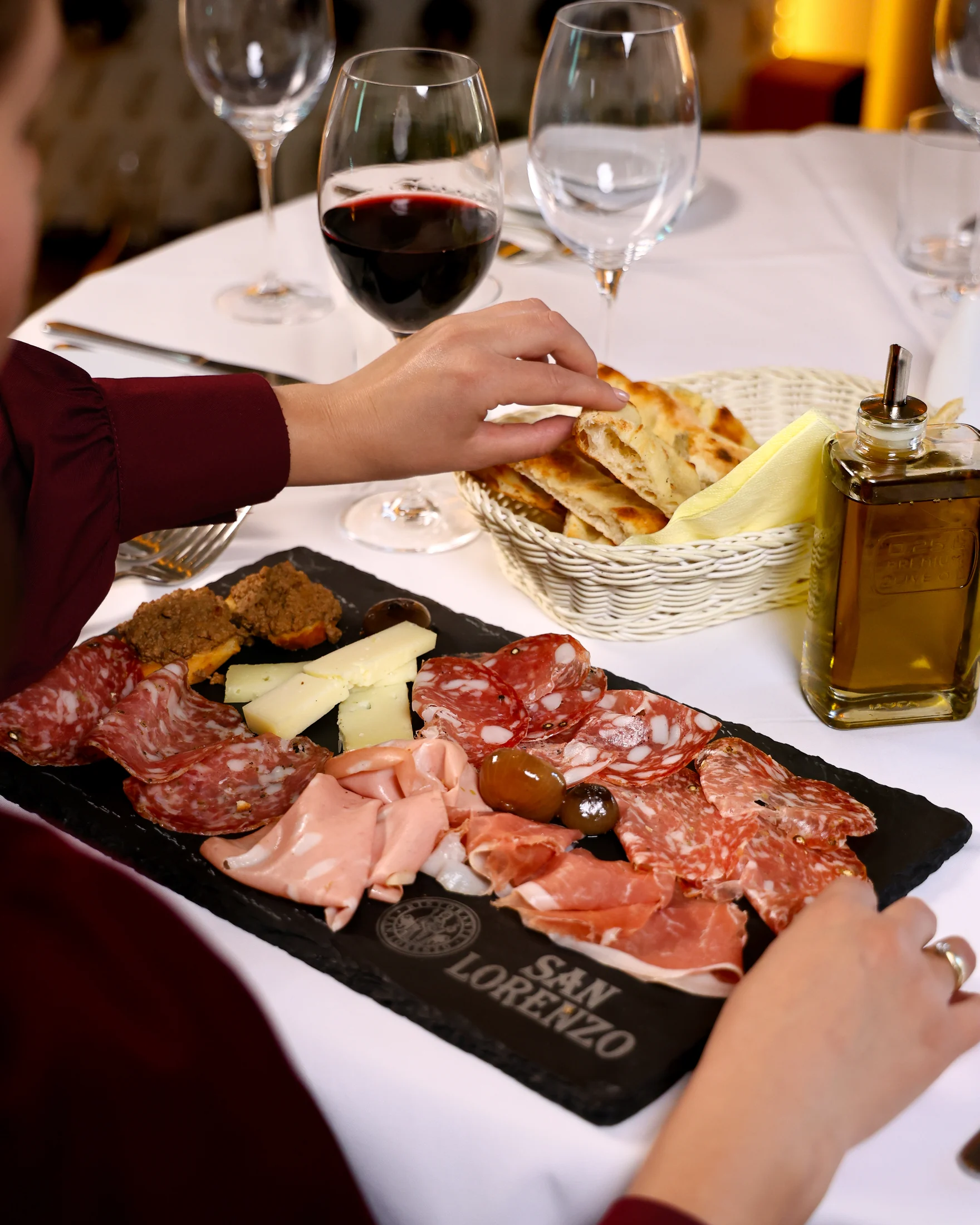
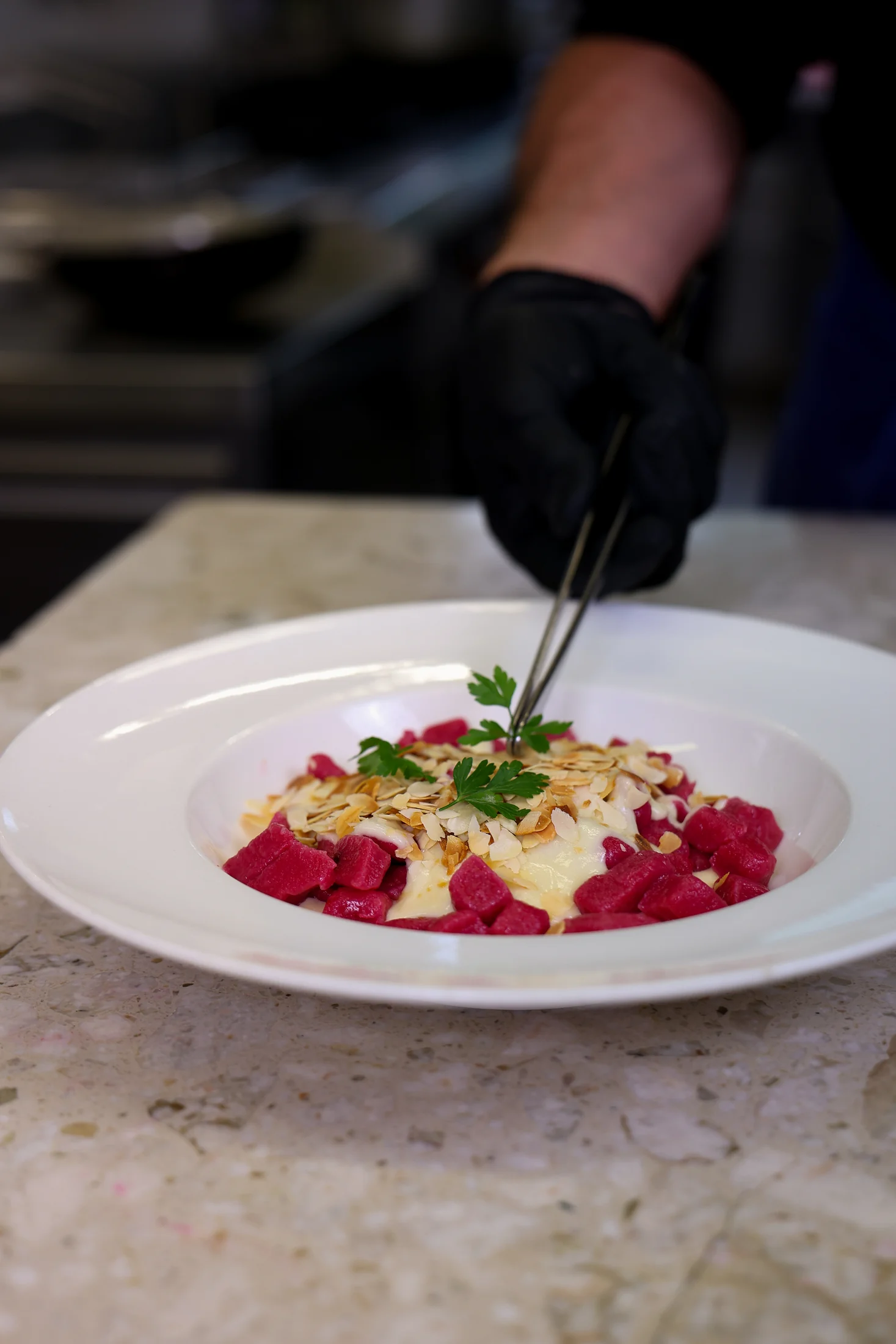
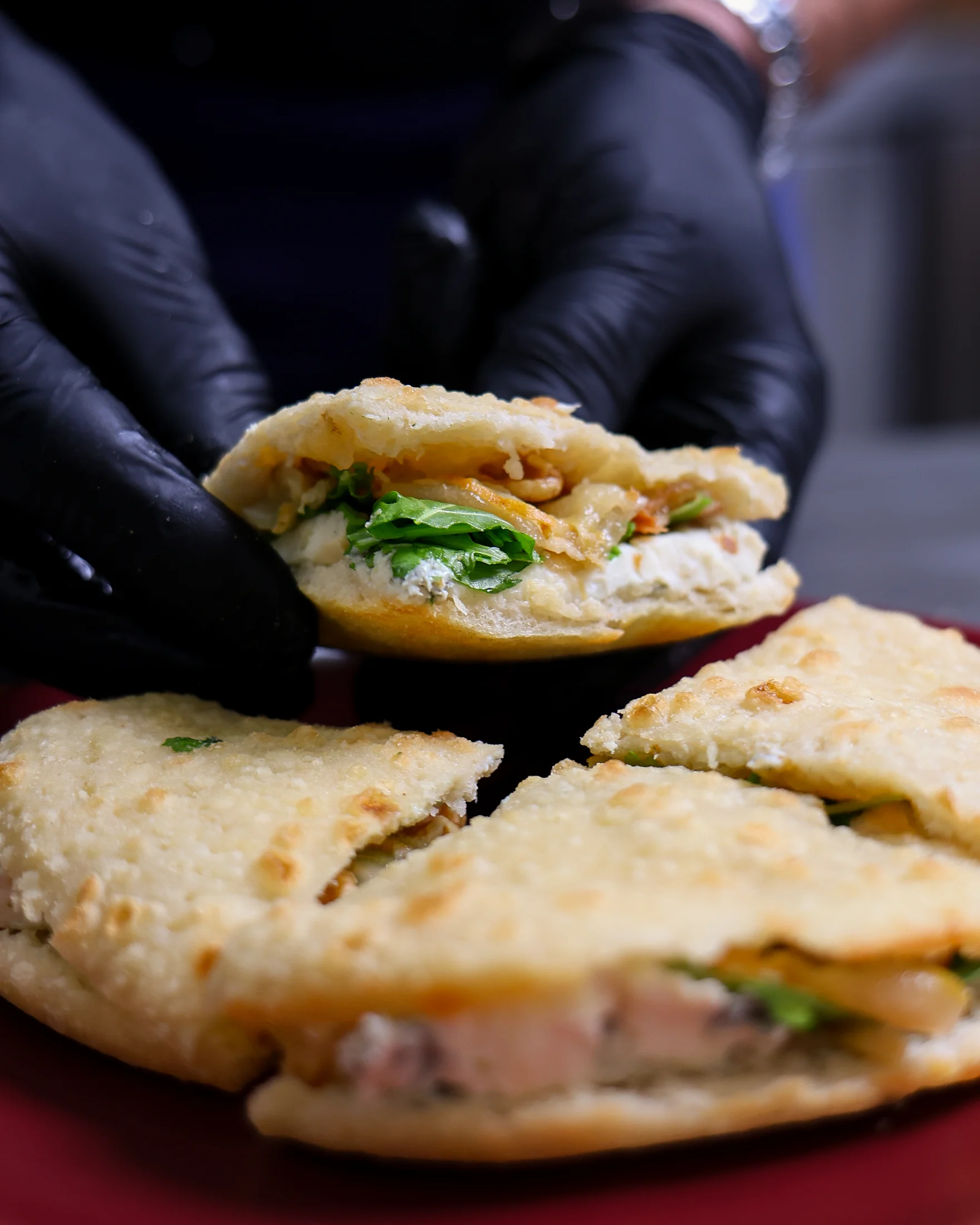
For your own meal, consider how easy it is to eat neatly. Whole shellfish, unfamiliar dishes or food requiring extensive cutting may demand more attention than you want to give it during a conversation. Choose something you enjoy and can eat comfortably.
Handle alcohol with tact. Offer water and ask what your guest would prefer rather than ordering wine by default. Never pressure anyone to drink or comment on their decision not to.
The evening, from welcome to follow-up
A well-hosted business dinner should feel natural, with enough structure to keep everyone comfortable.
Opening and closing the meeting
Allow time at the beginning for informal conversation. The source suggests around 20 minutes, but follow the guest’s pace and the purpose of the meeting rather than a stopwatch.
Welcome your guest at the entrance where practical. Offer drinks, introduce the venue and let them choose a seat if there are equally suitable options.
Travel, the city and shared interests can provide a gentle start. Move to business when both parties are ready and ordering is complete. Avoid making the meal feel like pressure to reach a decision.
Close clearly rather than extending the meeting unnecessarily. Coffee or dessert can provide a natural transition. Briefly summarise the agreed next steps and request the bill discreetly.
A short follow-up within 24 hours, thanking the guest and confirming actions, helps turn a pleasant conversation into a clear working arrangement.
Who pays, and how should the expense be documented?
The person extending the invitation will usually expect to pay, unless another arrangement has been agreed. Check company hospitality policies and any restrictions that apply to your guest. Avoid an awkward negotiation at the table; if appropriate, suggest they host next time.
Ask for the document your accounting team requires and keep a record of the business purpose. Tax treatment depends on the circumstances and applicable rules, so confirm it with your accountant. The fact that a meal involves a client does not, by itself, settle how it should be classified. This article does not replace individual tax advice.
Common mistakes and useful etiquette
Most difficulties arise from poor preparation: an unsuitable venue, unknown dietary needs or a lack of attention to the guest.
- Put your phone away. Checking messages suggests the conversation is not your priority.
- Do not produce documents for signature unexpectedly over dessert. Agree any formal follow-up separately.
- Choose food you can eat comfortably rather than experimenting with something difficult to handle.
- Avoid forcing sensitive subjects such as politics, religion or personal pay into the conversation.
- Respect your guest’s pace; do not rush the meal or leave them eating alone.
A noisy restaurant is a frequent planning mistake. Test the venue beforehand where possible, and choose a space that supports conversation without making private details audible to neighbouring tables.
A successful choice combines convenient location, suitable atmosphere, a varied menu and thoughtful hosting. Each contributes to how the guest experiences both the dinner and the company you represent.