

Choosing a wedding venue is one of the first and most consequential planning decisions a couple makes. An intimate restaurant or a traditional wedding hall? The answer depends on your guest list, budget and the experience you want.
How does a restaurant wedding differ from a wedding hall?
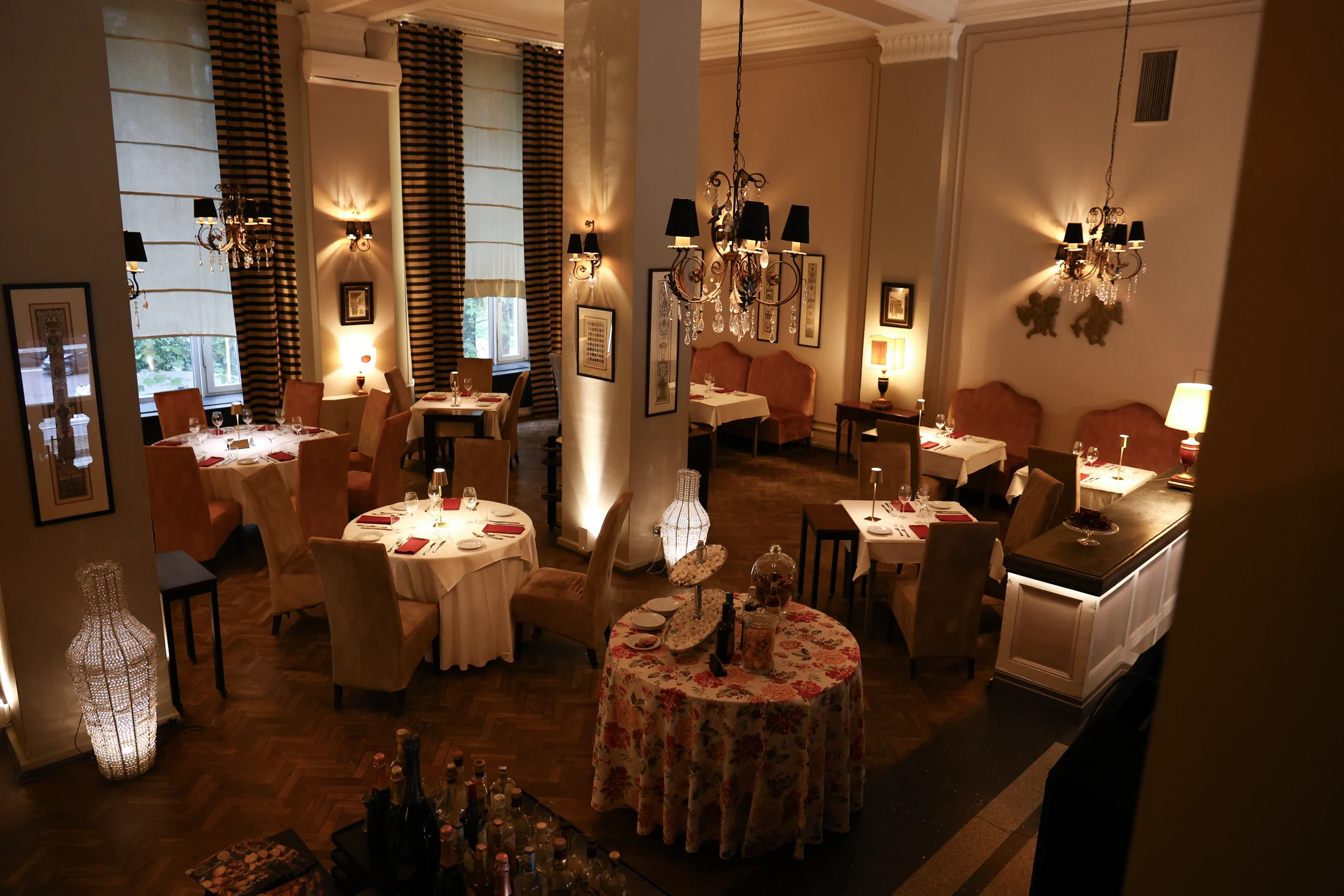
A restaurant offers an established atmosphere and an in-house food service operation. A dedicated wedding hall may provide more space and greater freedom to create your own setting.
The difference goes beyond size. A restaurant has its own cuisine, regular team and interior style, usually with a defined capacity. A wedding or banquet hall is designed around private celebrations and may accommodate a wider range of layouts and group sizes. Always confirm actual capacity rather than assuming a venue can host 50 or 250 people.
Organising a wedding reception in a restaurant generally means working with its menu, tableware, waiting team and décor. Food is an integral part of the service. In a wedding hall, you may choose separate caterers, decorators and music suppliers, gaining flexibility but taking on more coordination.
The original article discusses growing interest in restaurant weddings among couples who value a venue’s individual character. Your own priorities are more useful than general popularity figures when deciding.
When is a restaurant the right choice?
A restaurant can work particularly well for a smaller wedding where food quality, a coherent atmosphere and fewer organisational tasks are priorities. The source discusses groups of up to 60–80 as an example, but every venue has its own limits.
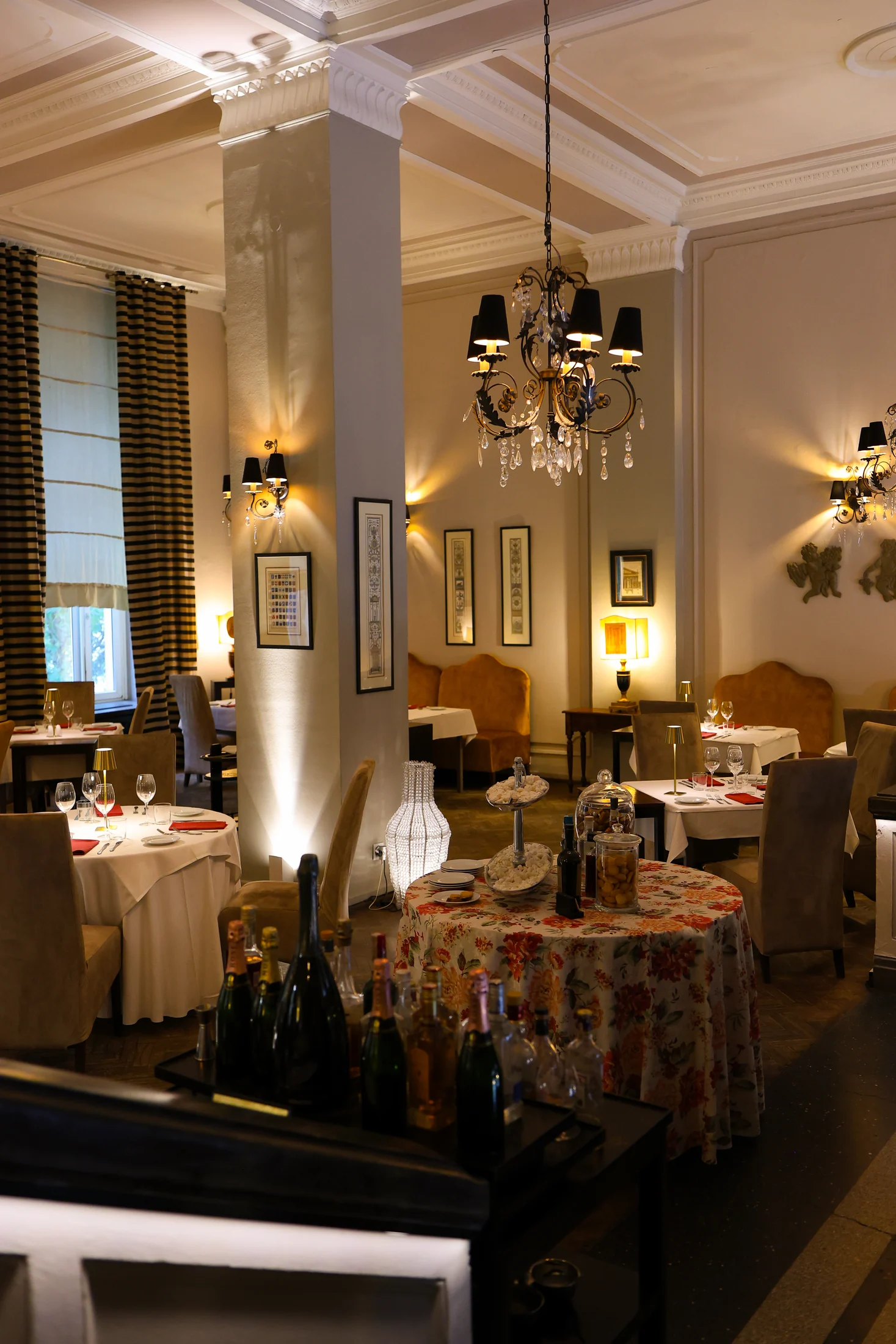
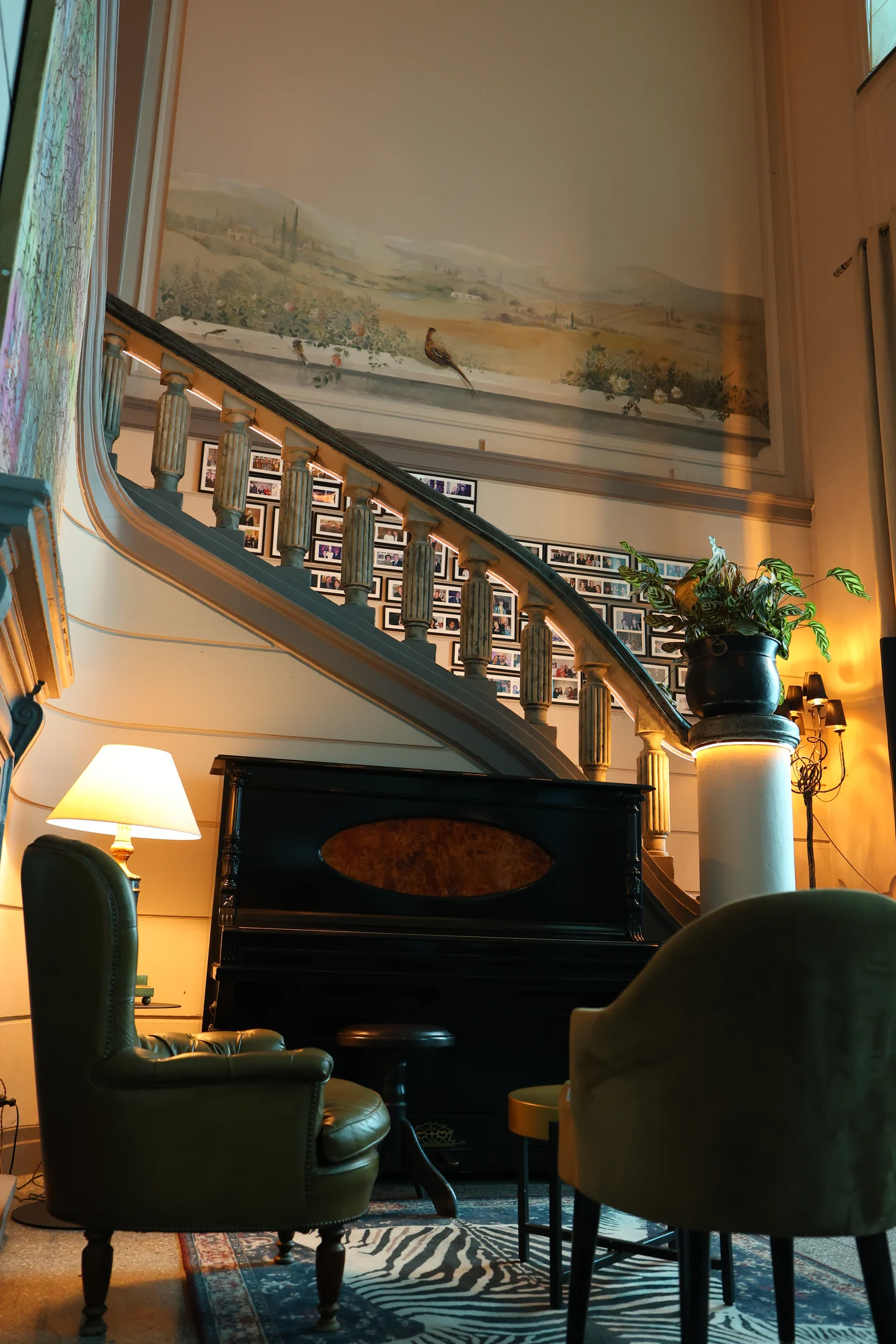
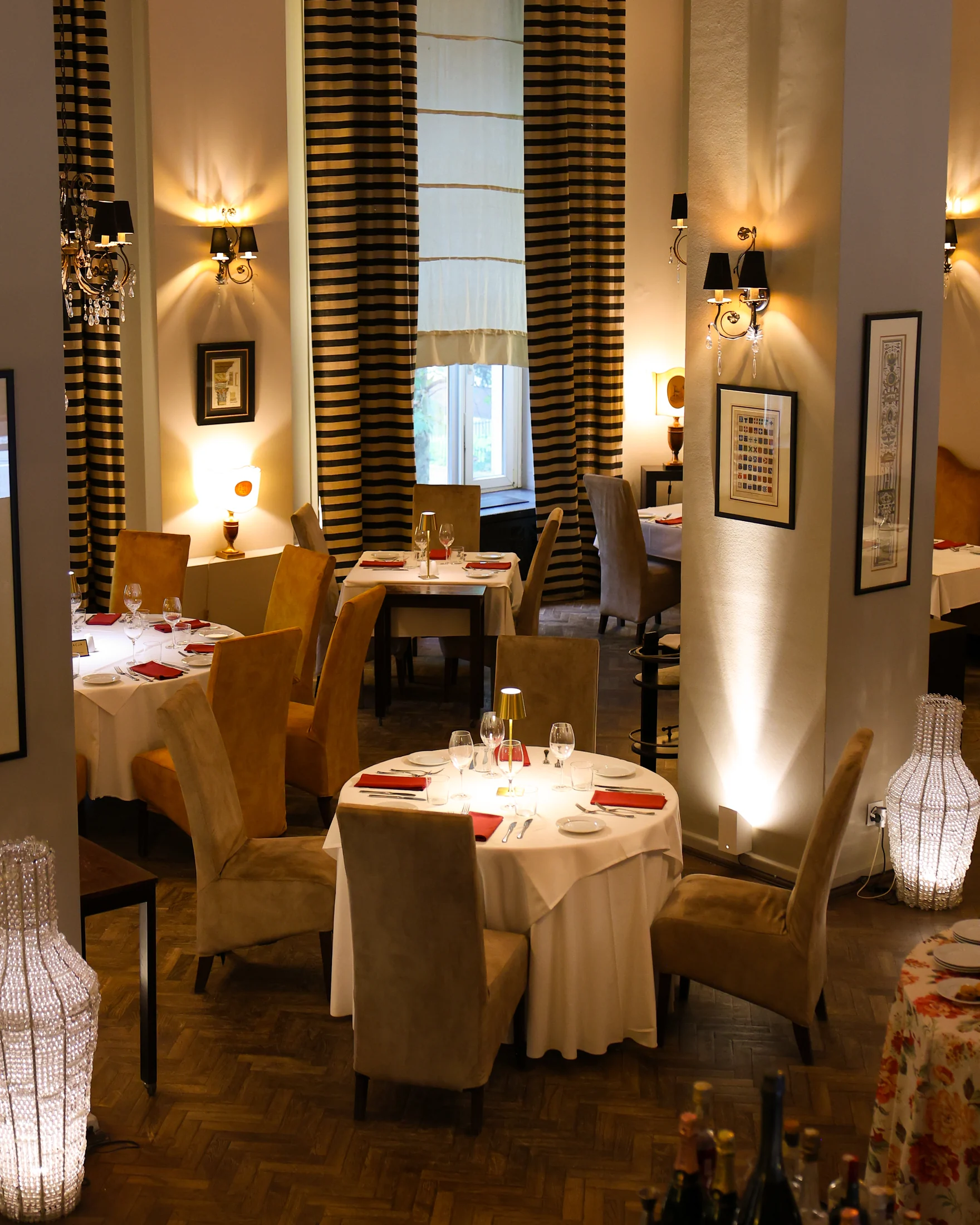
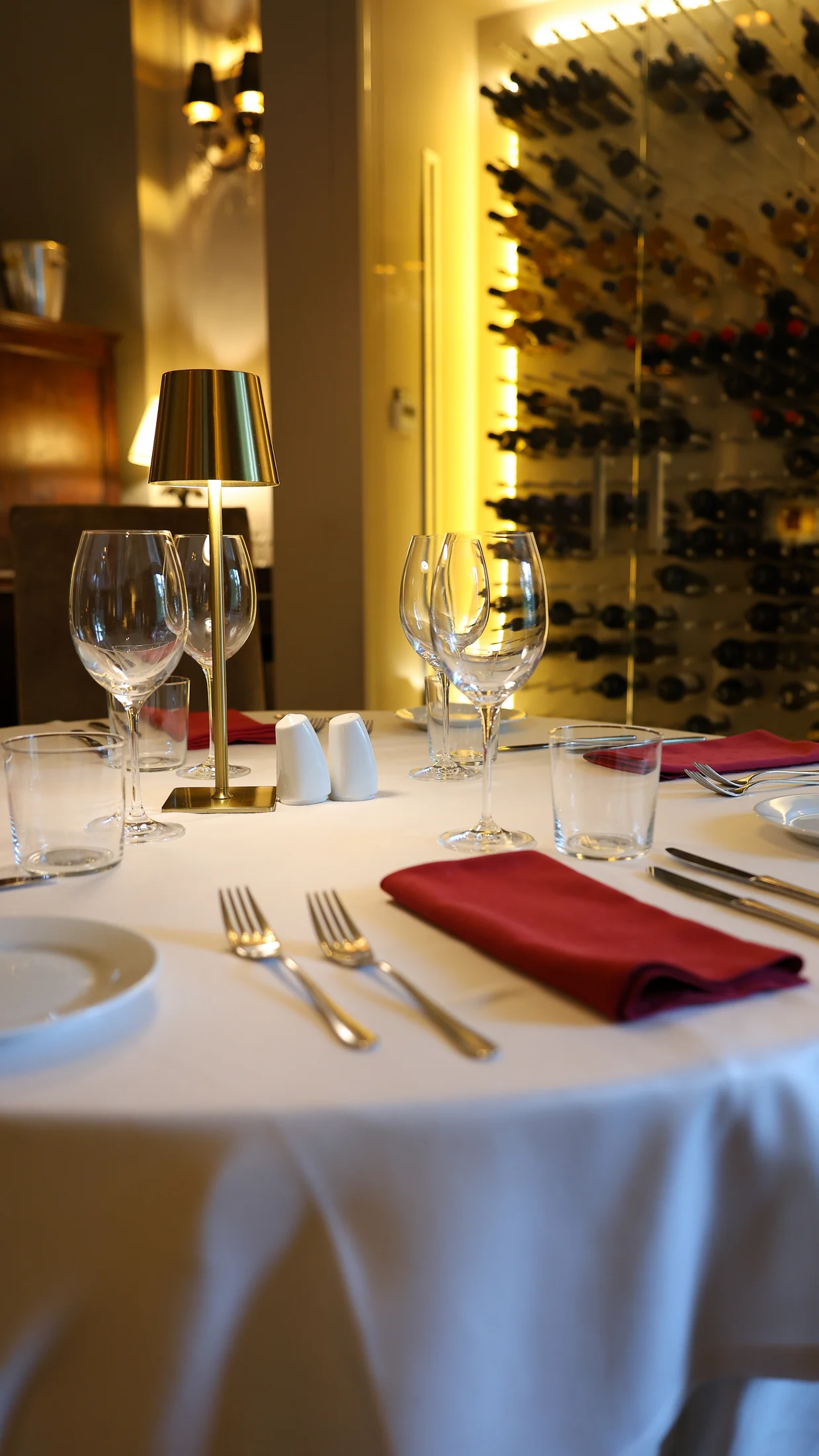
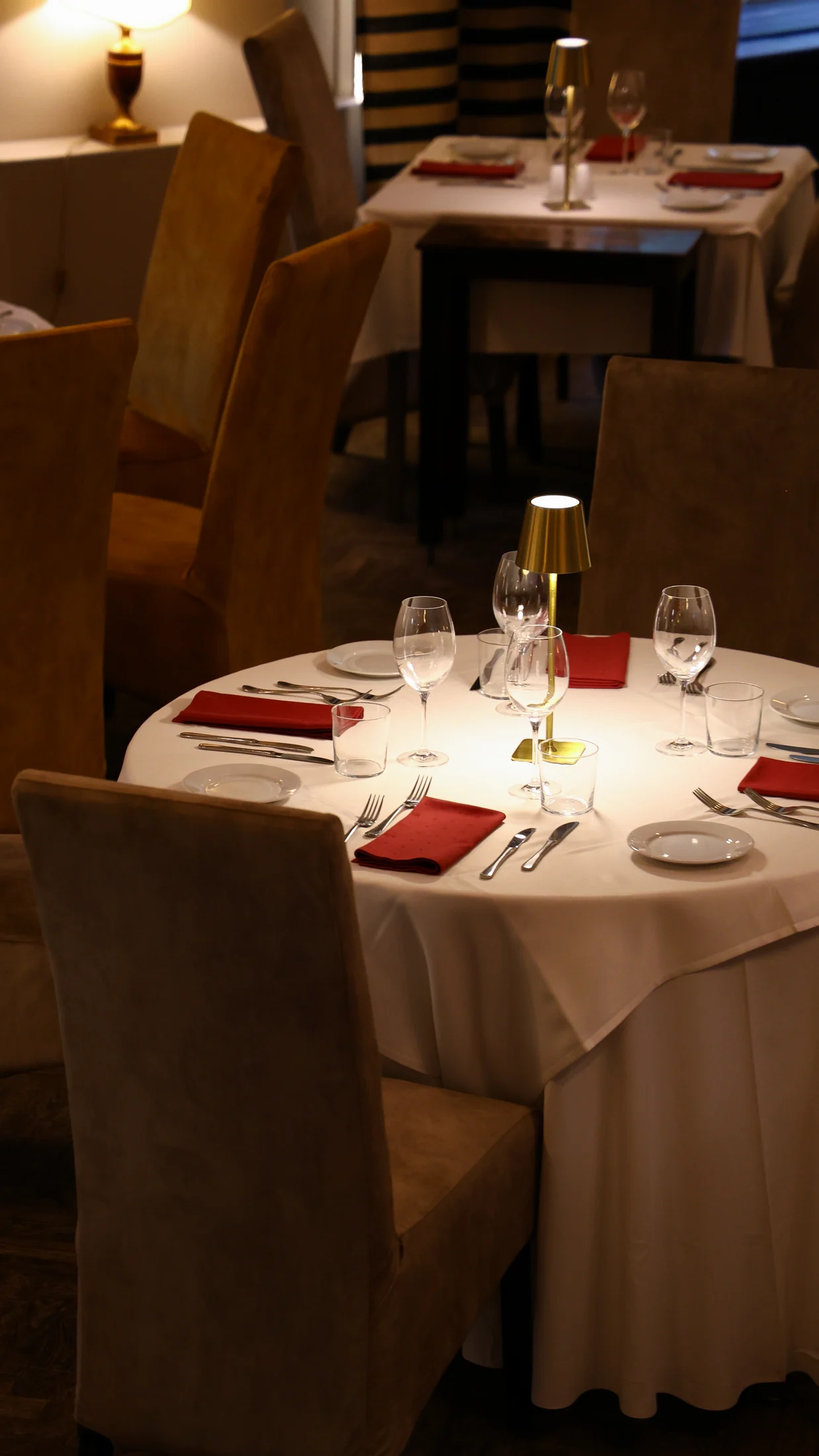
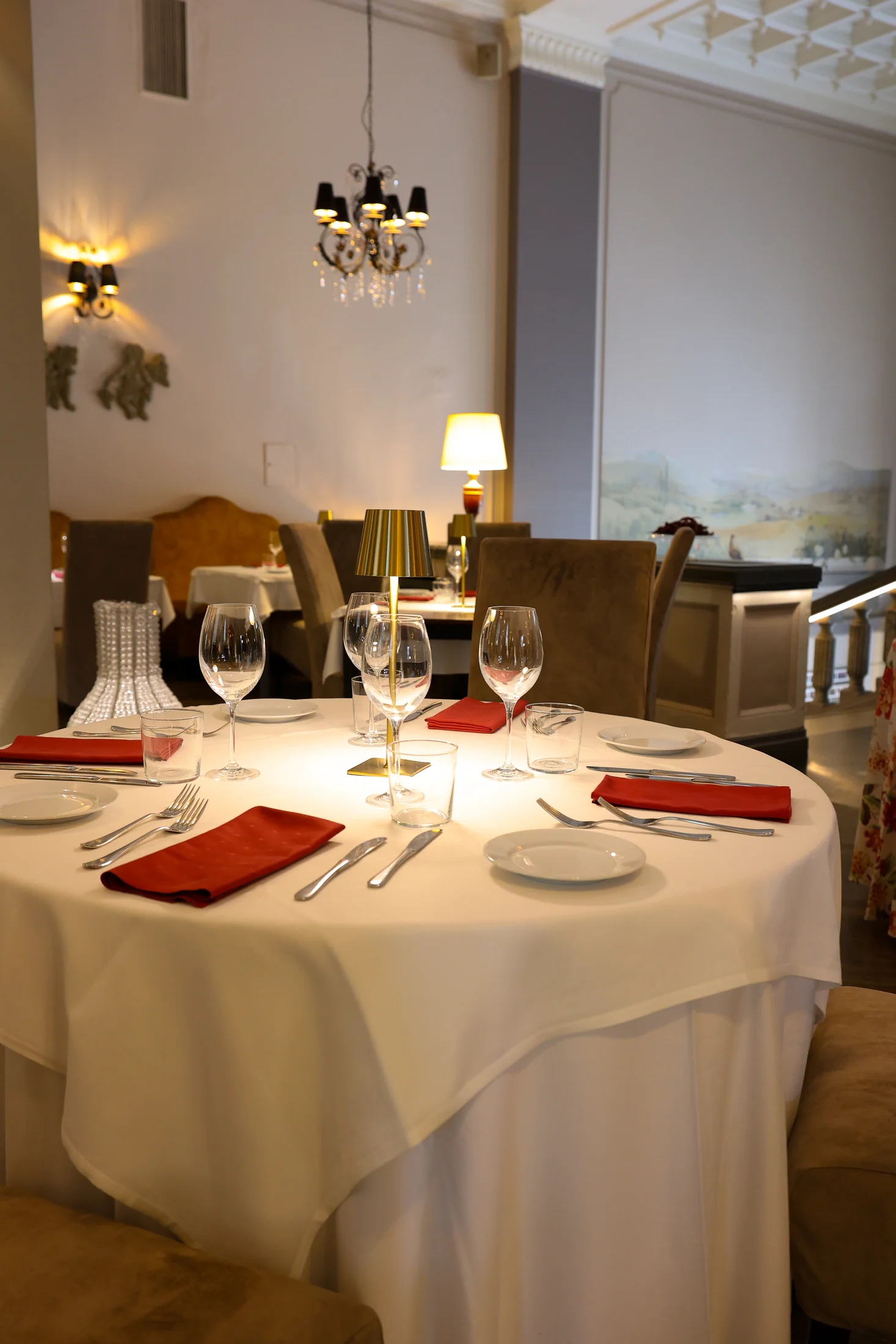
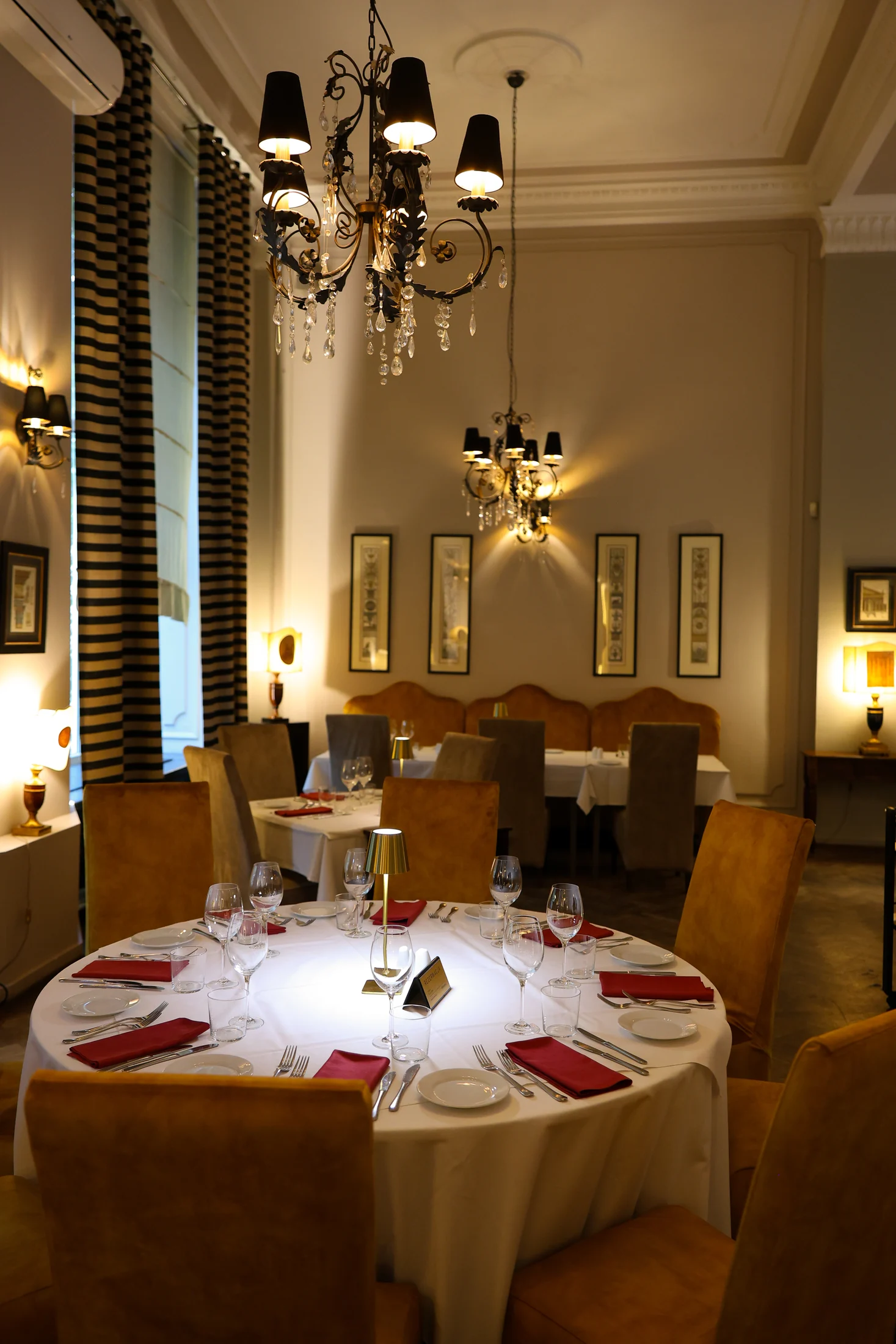
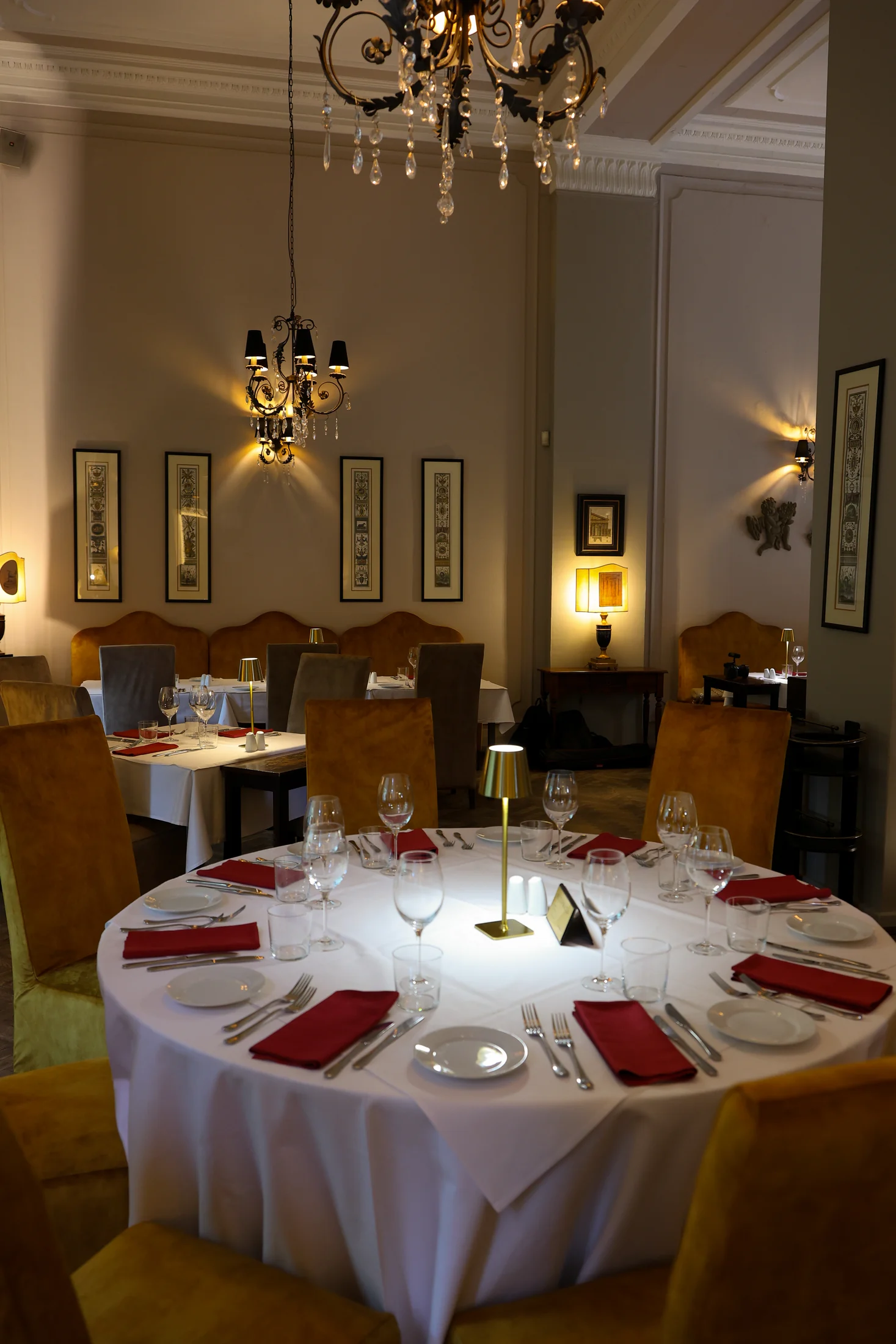
Atmosphere is a major advantage. Lighting, furniture, tableware and the surroundings already form a coordinated setting, potentially reducing the need for extensive decoration.
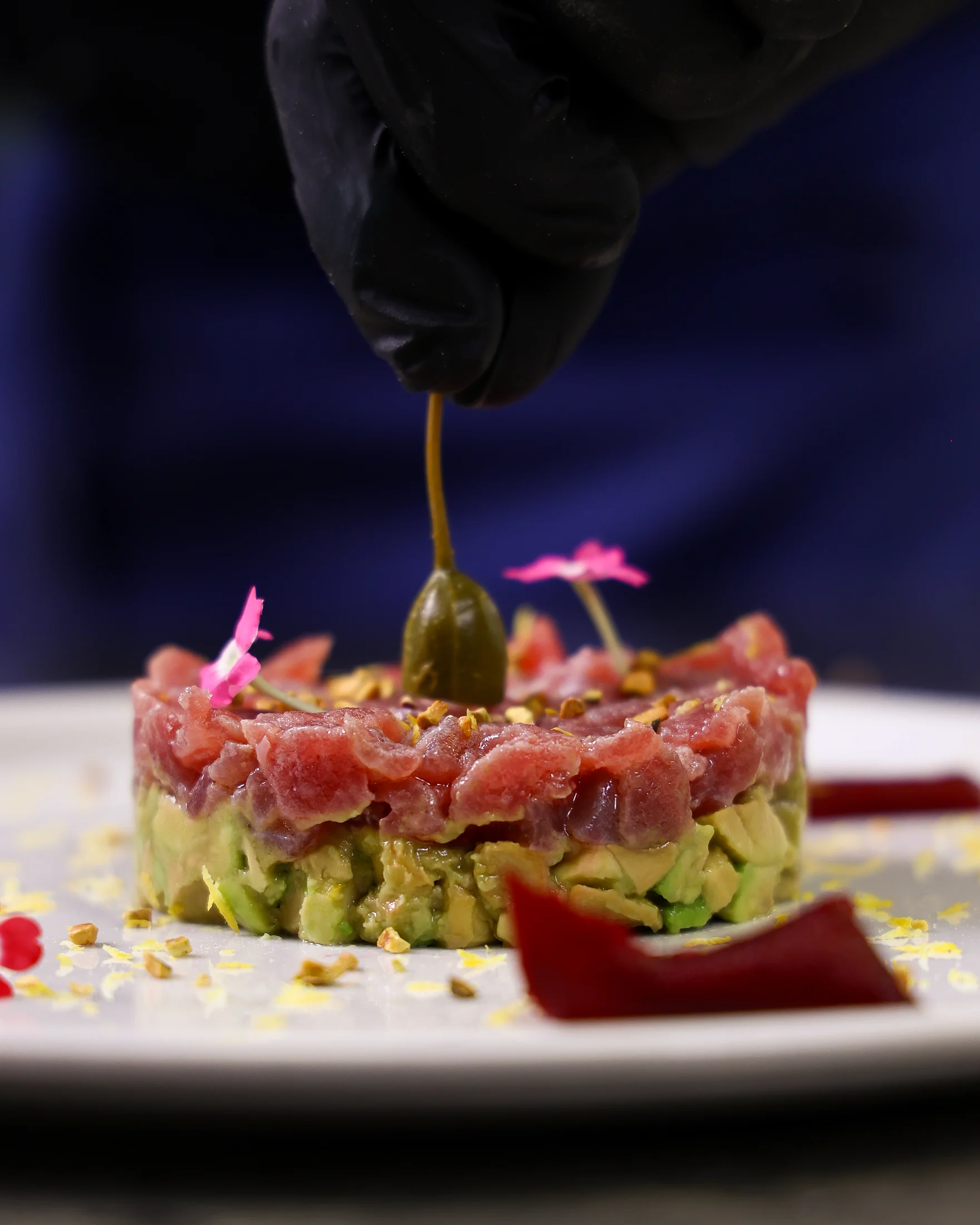
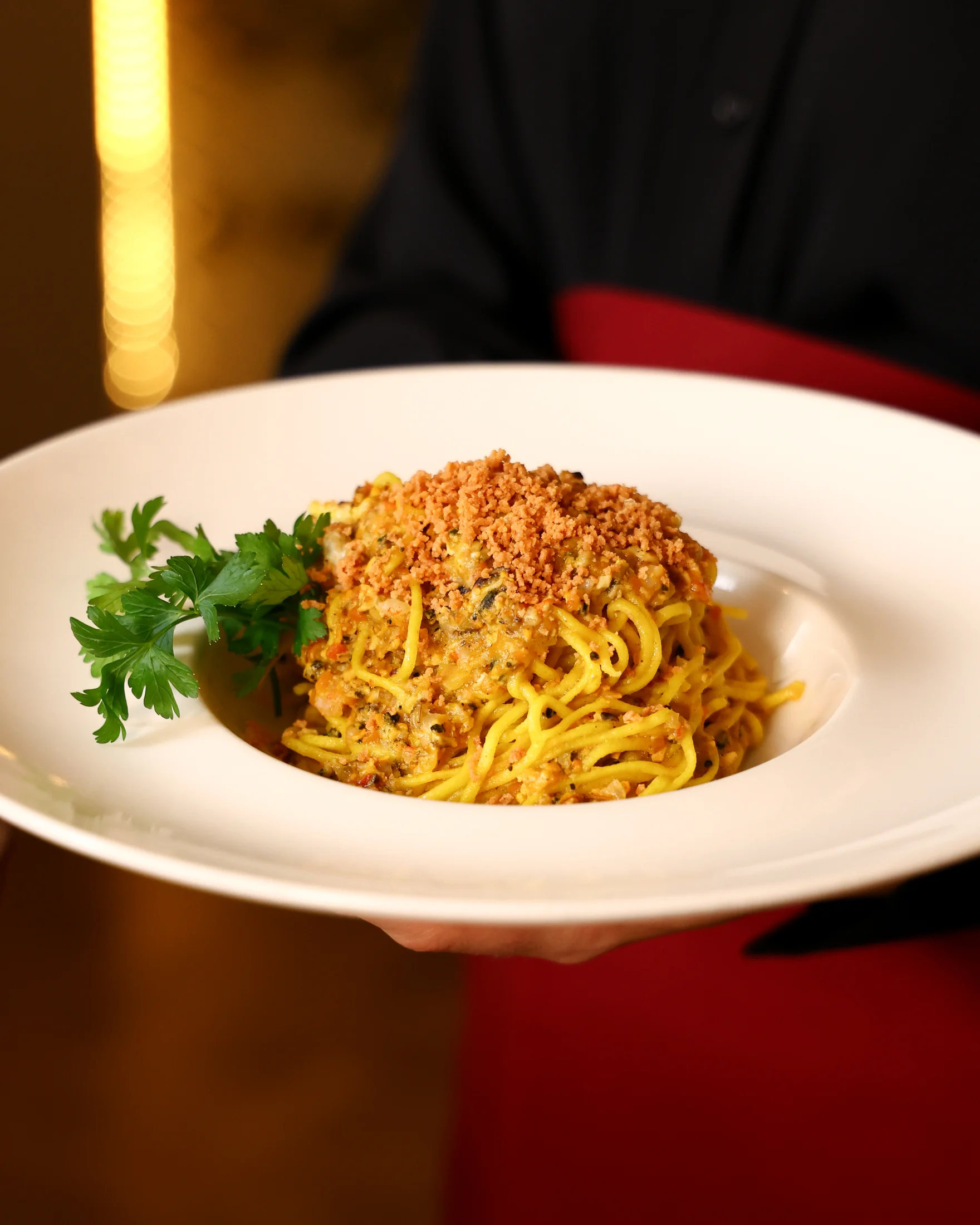
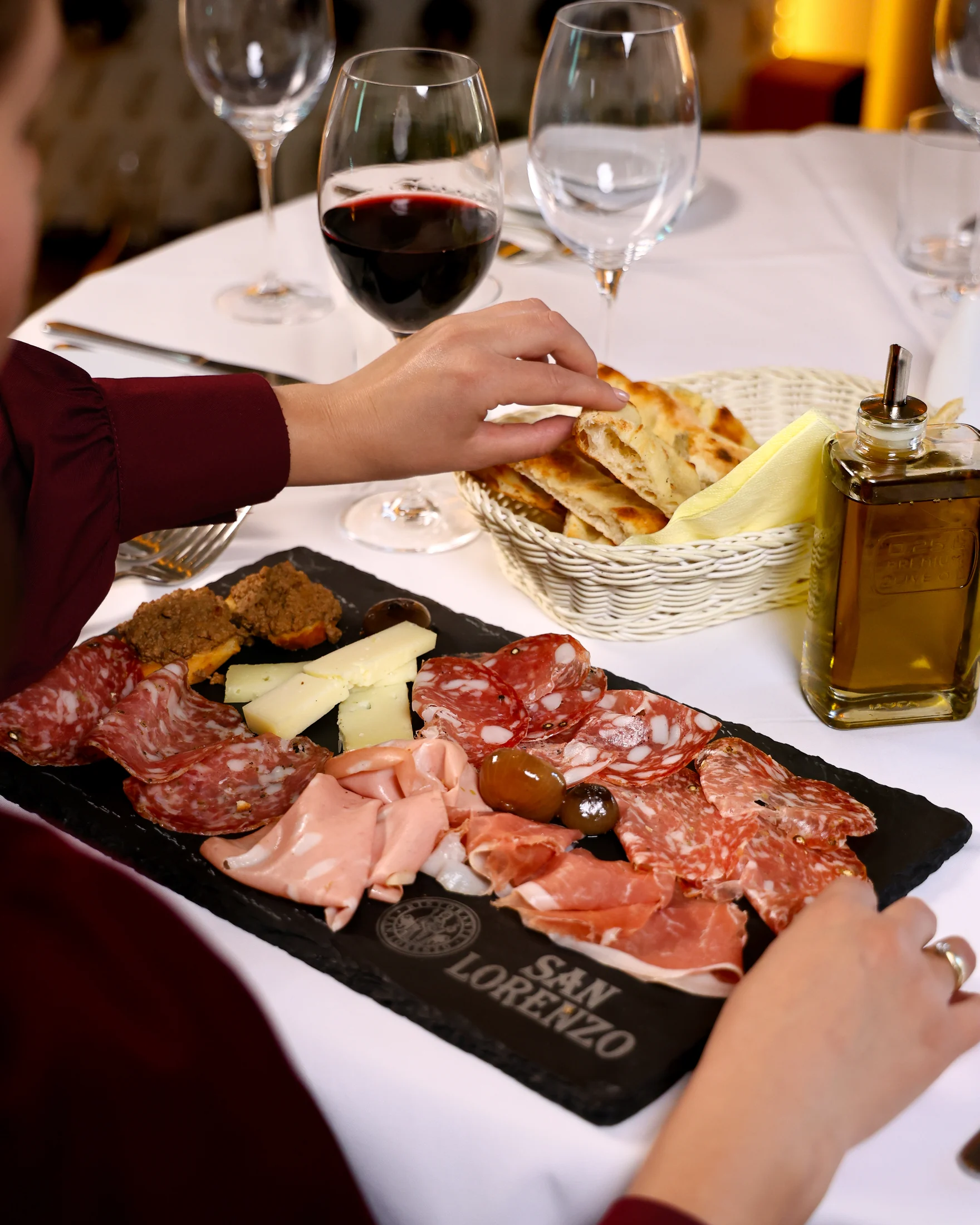
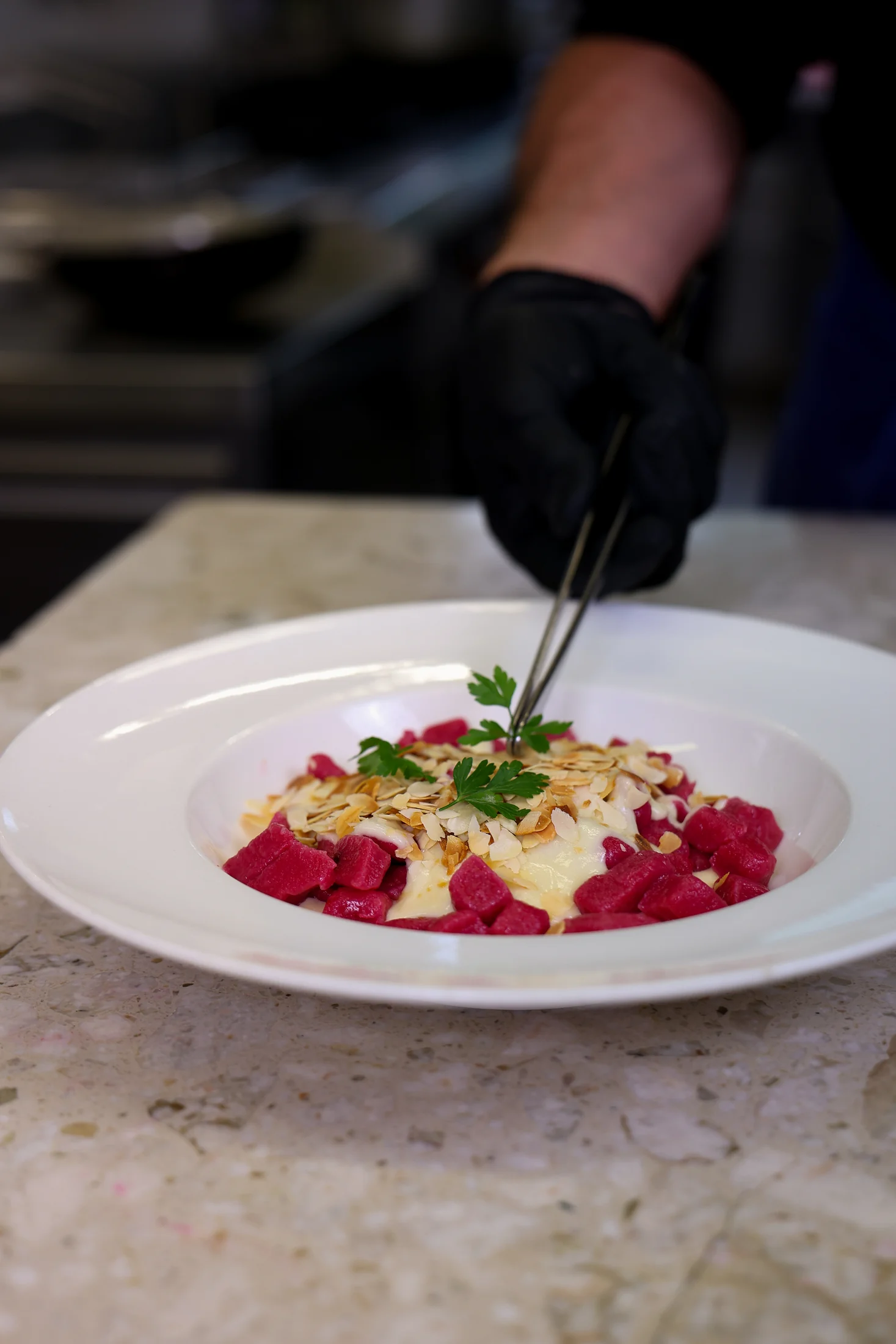
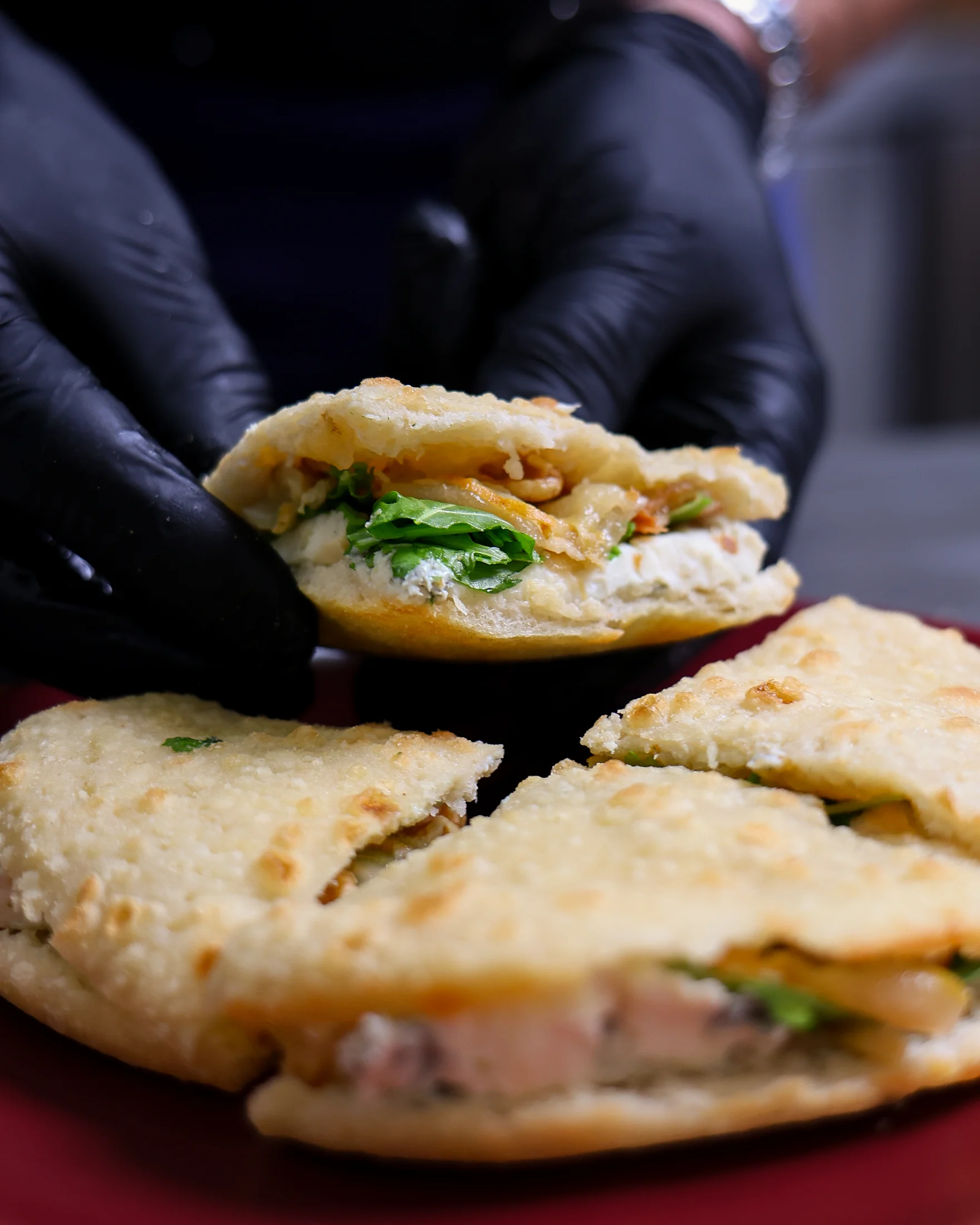
The menu is another consideration. Food is prepared by chefs who work in that kitchen every day. Ask about menu choices, tastings and dietary requirements, including vegetarian, vegan, gluten-free or lactose-free options where needed. None of these should be assumed to be included: confirm what the kitchen can provide.
The waiting team also knows the room and kitchen. With external staff in a hired hall, familiarity with the venue may vary.
A restaurant may be less suitable for a very large guest list, loud entertainment late into the night, or complete freedom over music, decorations and furniture. Discuss dancing, timings and additional activities before booking.
A city-centre wedding in Warsaw
A central restaurant can simplify travel for guests arriving from elsewhere. Taxis and public transport may reduce the need for a hired coach.
Guests travelling by air or staying in hotels can often reach a city-centre venue more easily than an out-of-town hall. Check travel times, parking and accessibility rather than assuming a central address solves every transport issue.
Some restaurants offer private rooms or exclusive hire. Confirm availability, the conditions and the cost if privacy is important to your celebration.
When should you choose a dedicated wedding hall?
A wedding hall may suit a larger celebration, a substantial dance floor, late music and a strong preference for choosing individual suppliers.
A banquet venue can provide space designed for celebrations, with appropriate kitchen facilities and sometimes parking. First dances, cake service and entertainment still need to be agreed with the venue; facilities and permitted activities differ.
For a guest list of 120–200, a dedicated venue may be more practical than a restaurant. Even where a restaurant has enough seats, simultaneous service and movement around the room need careful assessment.
Choosing your own caterer, florist, photographer and DJ can make it easier to match a specific vision and budget. Check whether the hall permits external suppliers and whether additional charges apply.
Accessibility and guests’ needs
Inspect accessibility in every venue. Do not rely on a building’s age or on a general claim that modern halls are accessible.
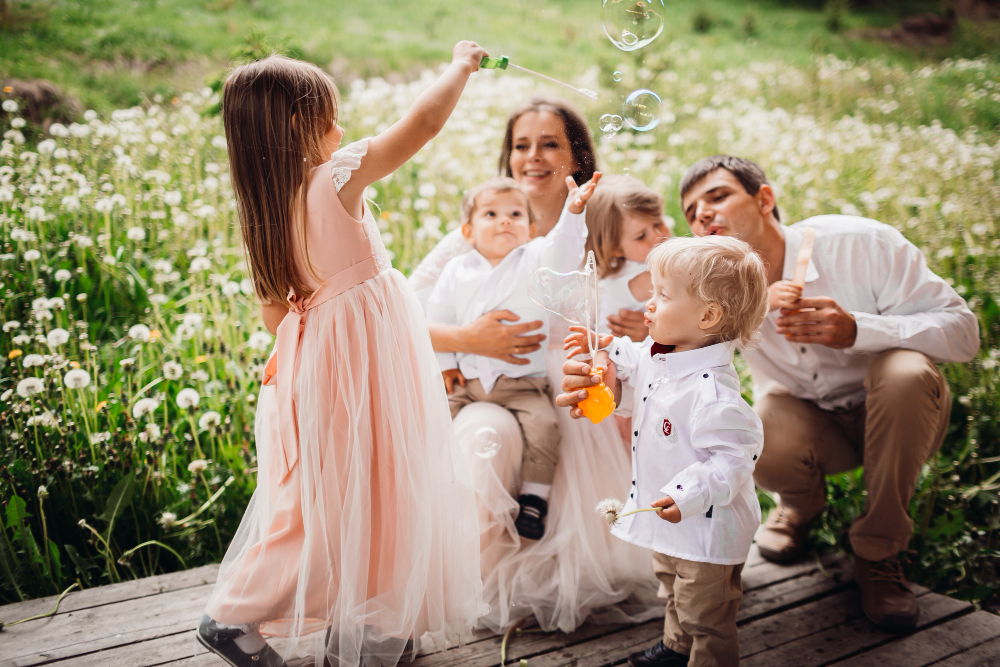
Guests using wheelchairs may need step-free routes, a lift, wide passageways and an accessible toilet. Families with young children may appreciate somewhere to feed or change a baby. Older guests may need comfortable chairs, good lighting and an easy route from transport or parking.
Restaurants in historic buildings and purpose-built halls can each have limitations. Visit in person and discuss your guests’ specific requirements before signing.
Comparing wedding costs
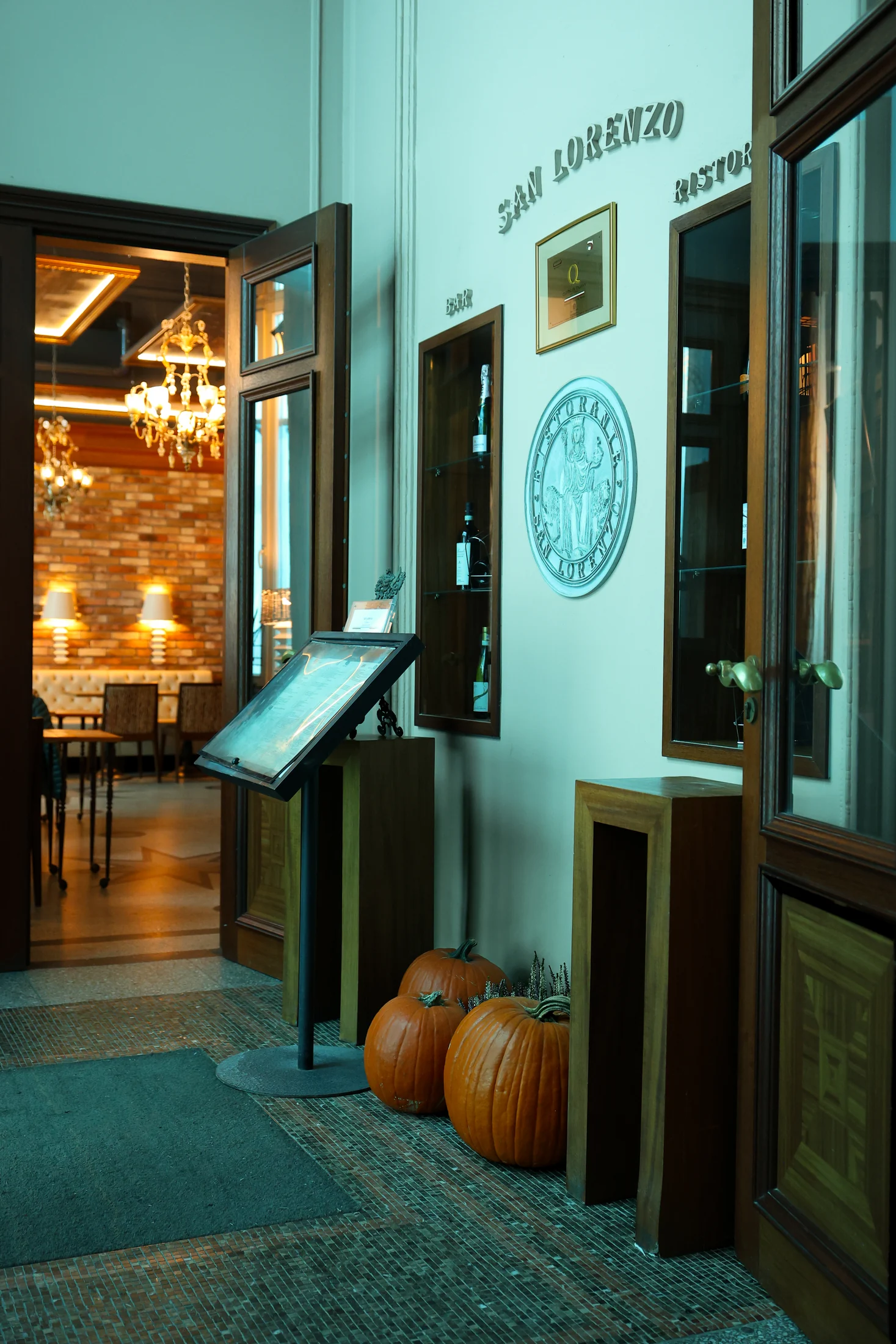
There is no single per-person price. Region, venue, food and service all matter. The following figures come from the original article’s 2024 market examples and are not a current San Lorenzo price list.
The source gives restaurant packages at PLN 250–450 per person, describing examples that include food, waiting service, room hire and sometimes cake and alcohol. For 60 guests, that is PLN 15,000–27,000 for the restaurant component. Check each inclusion individually.
For a hired hall, the source lists room hire at PLN 2,000–6,000 per day, catering at PLN 150–300 per person, waiting staff at PLN 30–60 per person, decorations at PLN 2,000–8,000 and a DJ or band at PLN 2,000–8,000. It estimates PLN 15,000–30,000 or more for 60 guests, depending on the combination.
The familiar Polish “price per plate” is not a standardised measure. Ask exactly what it includes. Tableware and service may be bundled or separate; the original article also gives PLN 20–50 per person as an example for this component.
For an overall wedding budget, the source mentions PLN 30,000–70,000 excluding the honeymoon and rings. Its wedding planner examples are PLN 3,000–8,000 for comprehensive support or PLN 1,500–3,500 for coordination on the day. These are historical illustrations, not guaranteed current rates. A restaurant that coordinates several elements may reduce the amount of outside planning support you need.
What should you check in the agreement?
Ask for clear written terms covering guest numbers, payments, cancellation and the services included. If wording is unclear, clarify it before committing.
Minimum numbers: will you pay for a minimum attendance even if some guests cancel? The source uses 40 people for exclusive hire as an example, but thresholds vary.
Advance payments: confirm the amount, payment dates and refund conditions. The source discusses 20–30% as a typical example; your agreement governs the actual arrangement.
Cancellation and exceptional circumstances: check deadlines, charges and what happens if the event cannot proceed. Do not assume a general rule applies to your booking.
Weather: if a terrace or outdoor area is part of the plan, establish the alternative in poor weather.
Menu changes: ask how late changes can be made and whether they affect the price.
Hybrid arrangements may also be possible: a restaurant with an outdoor space, or a small wedding meal for 20–30 followed by a separate larger celebration. These options depend on the venue and require their own practical checks.
A simple way to make the decision
Give each of these criteria a weight from one to three according to your priorities:
- Guest numbers: compare real capacity and comfort.
- Total budget: compare complete proposals, not headline prices.
- Music and dancing: verify space, equipment and finishing times.
- Food: assess the menu and service for your group.
- Decorations: decide between an existing style and a blank canvas.
- Location: consider guests’ travel and accommodation.
- Accessibility: inspect the actual routes and facilities.
- Coordination: decide how many suppliers you want to manage.
- Atmosphere: choose the setting that feels right to you.
- Agreement: read and clarify the terms in either type of venue.
A restaurant wedding and a wedding hall celebration offer different but equally valid experiences. The best choice is the one that suits your guests, priorities and vision for the day.