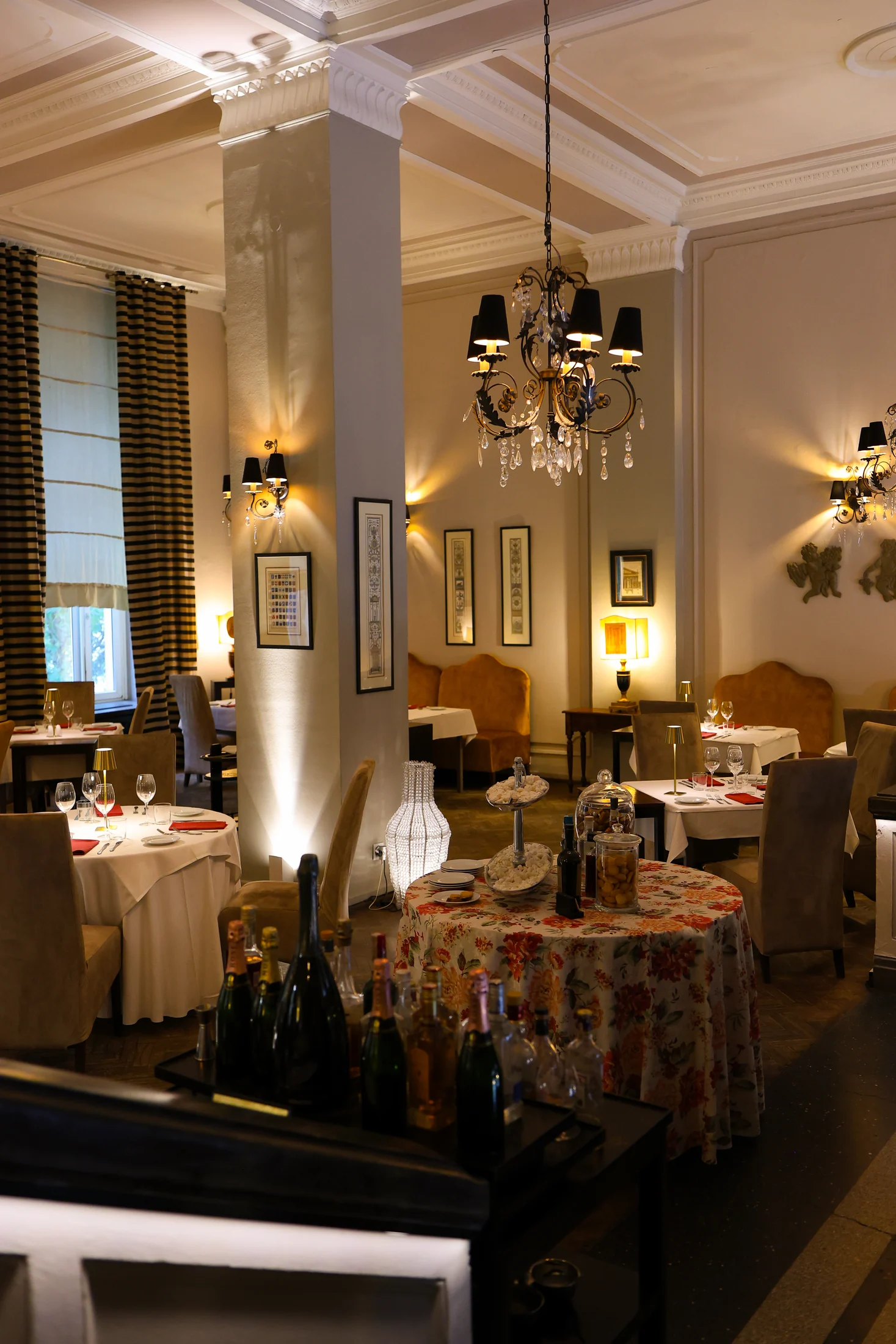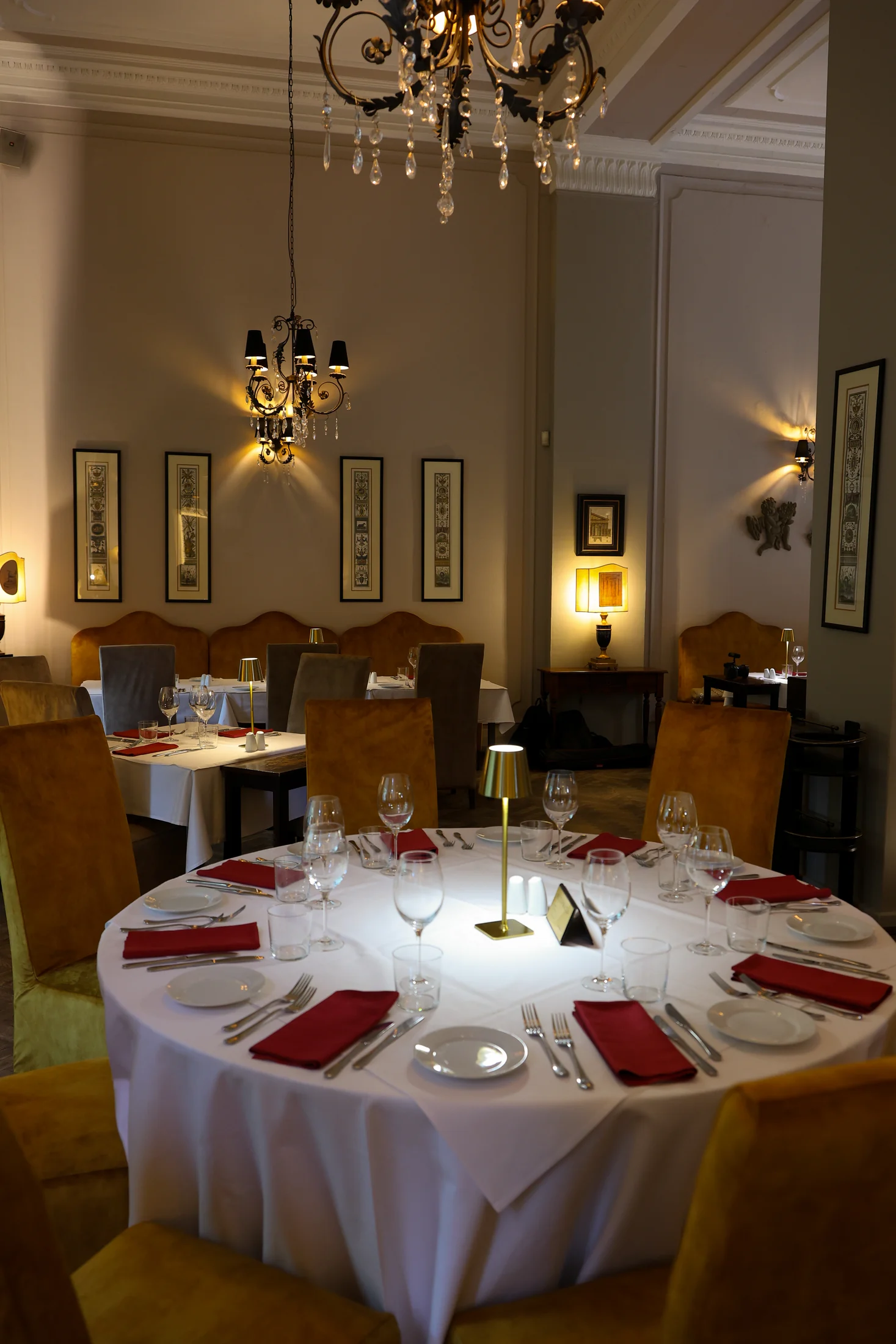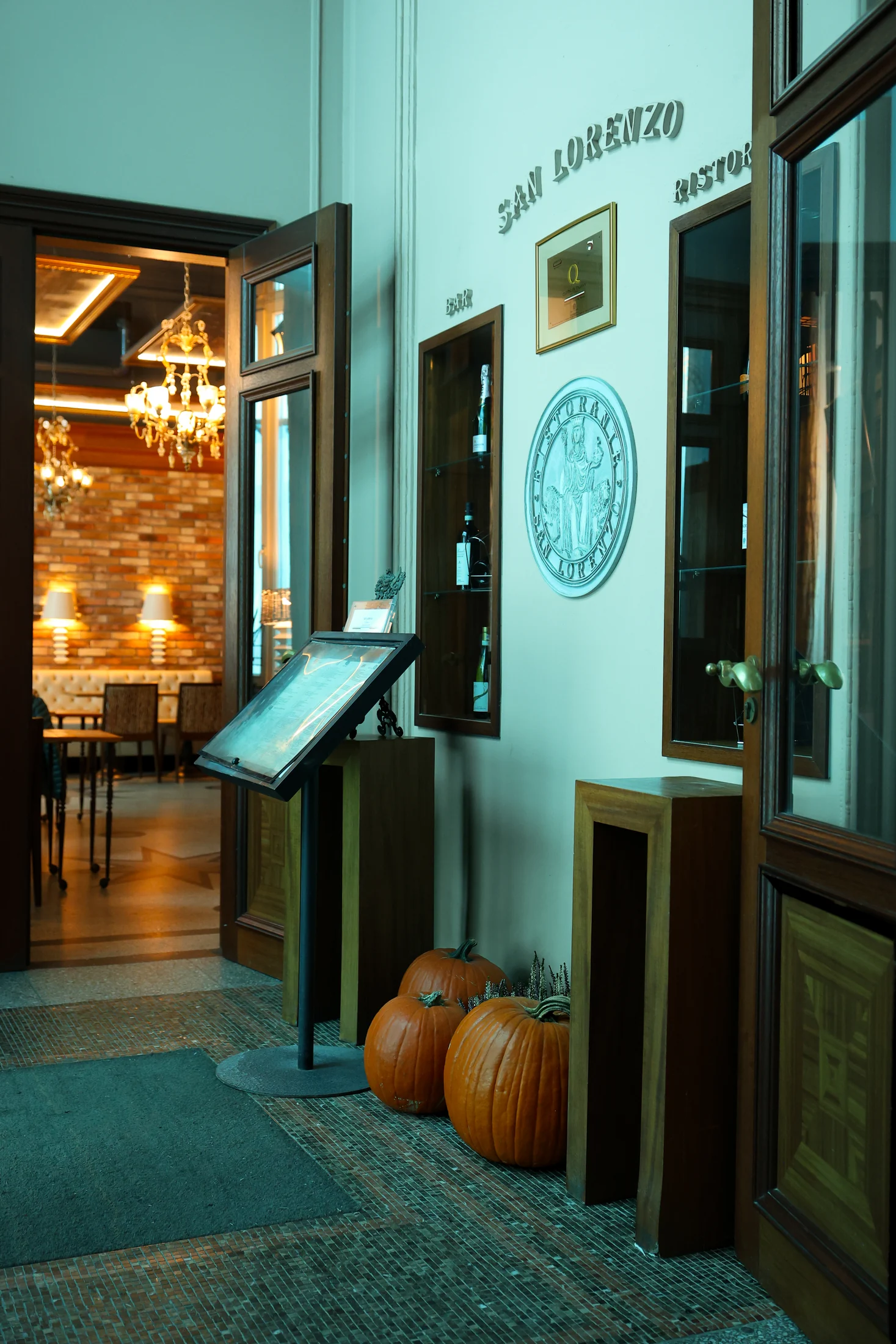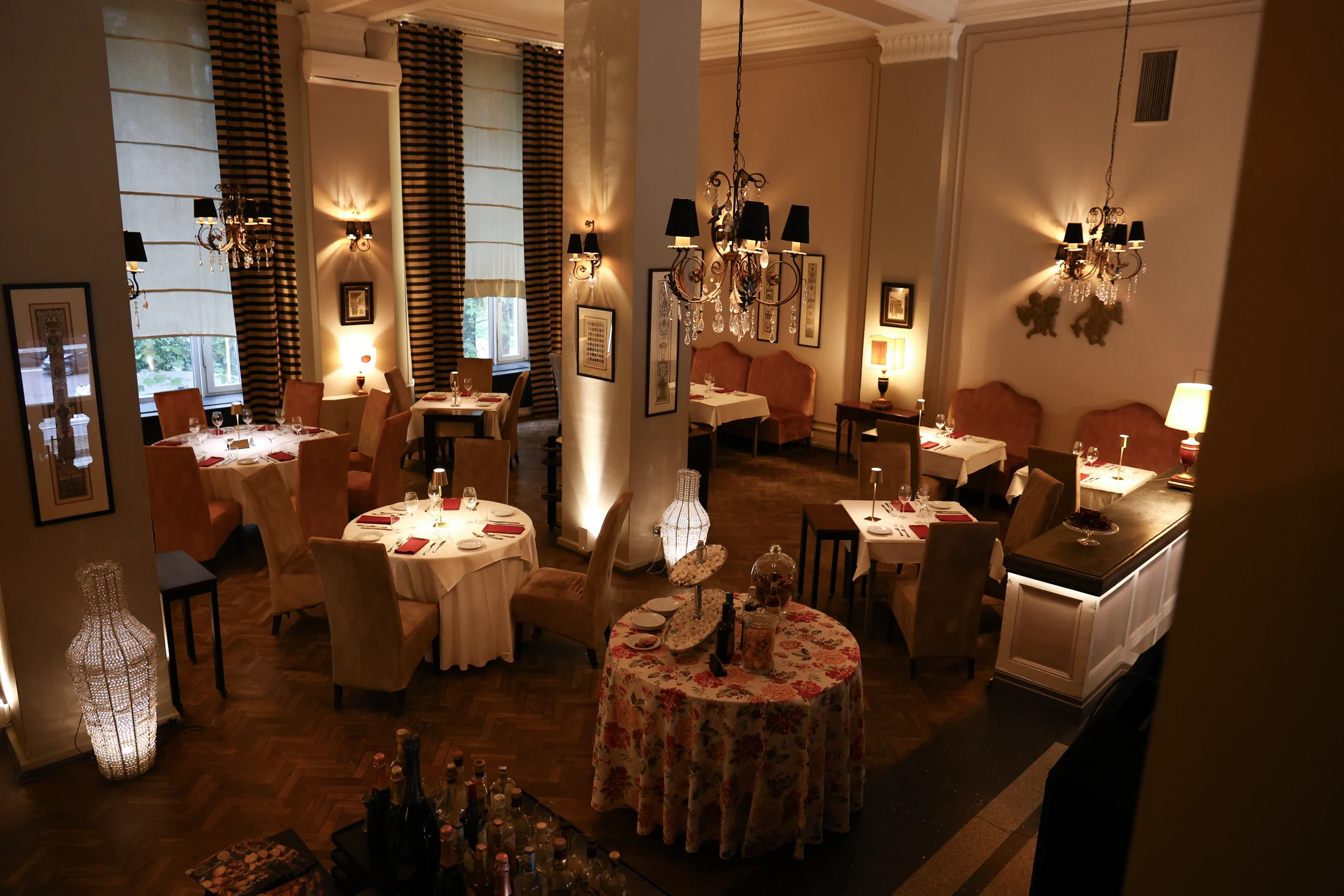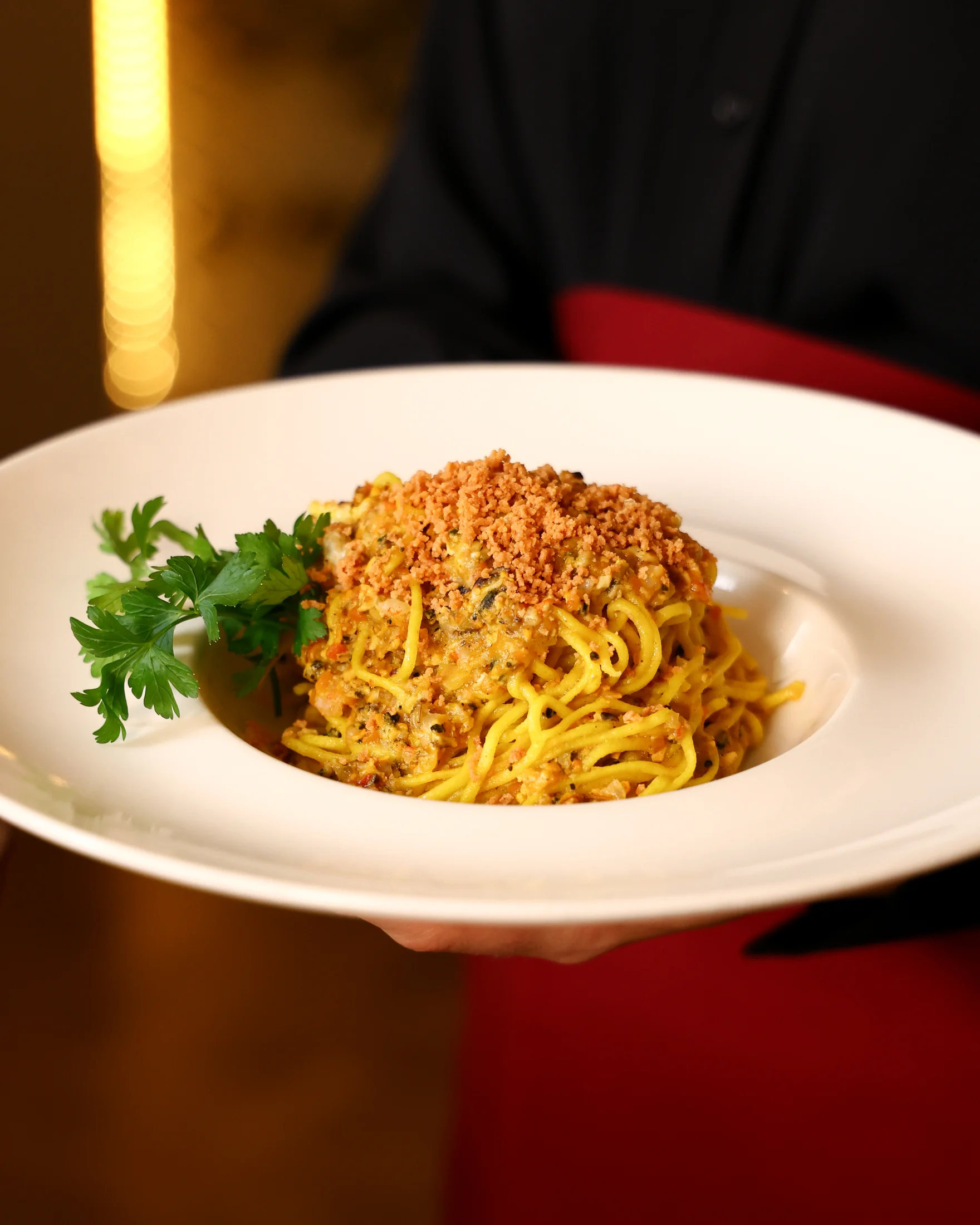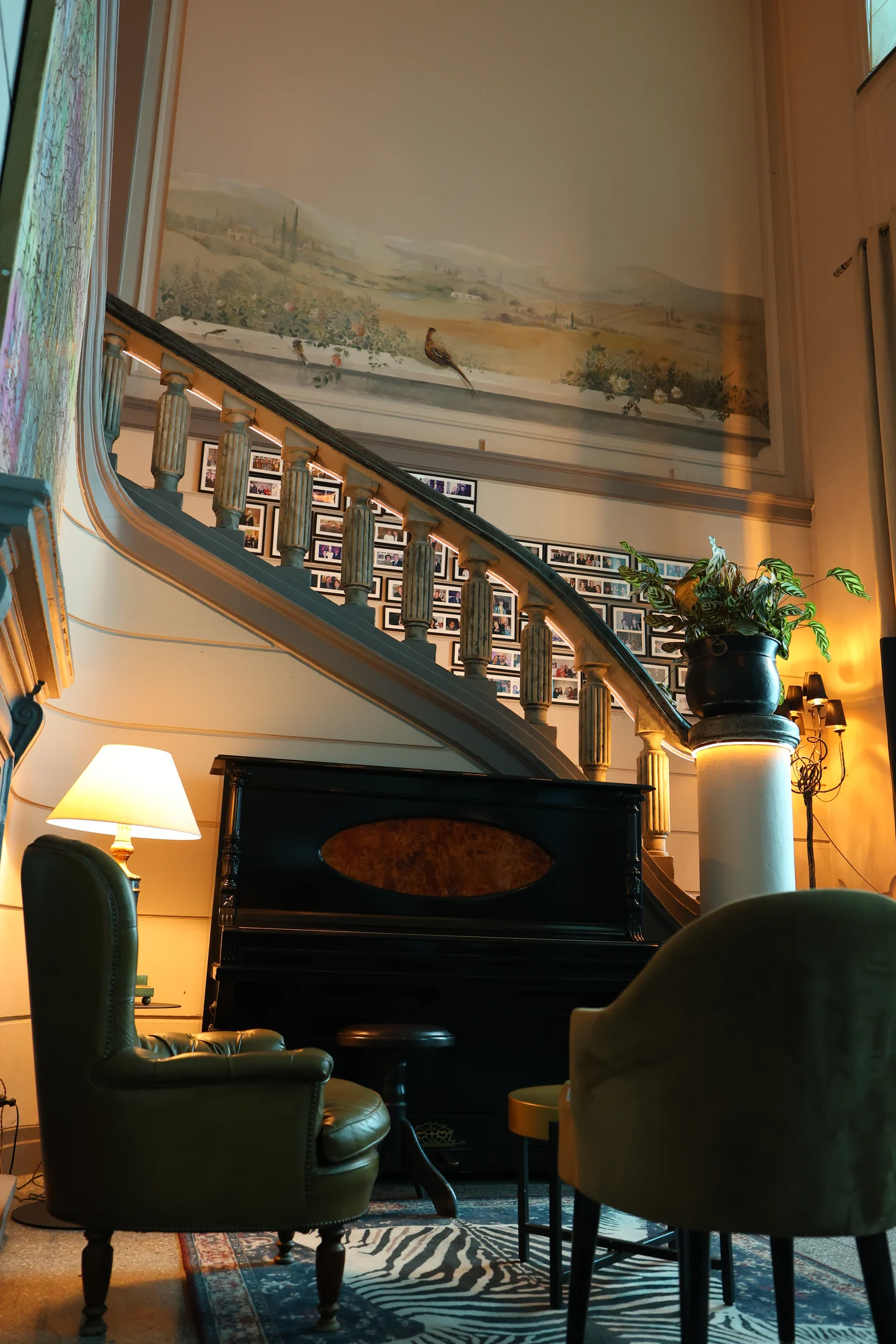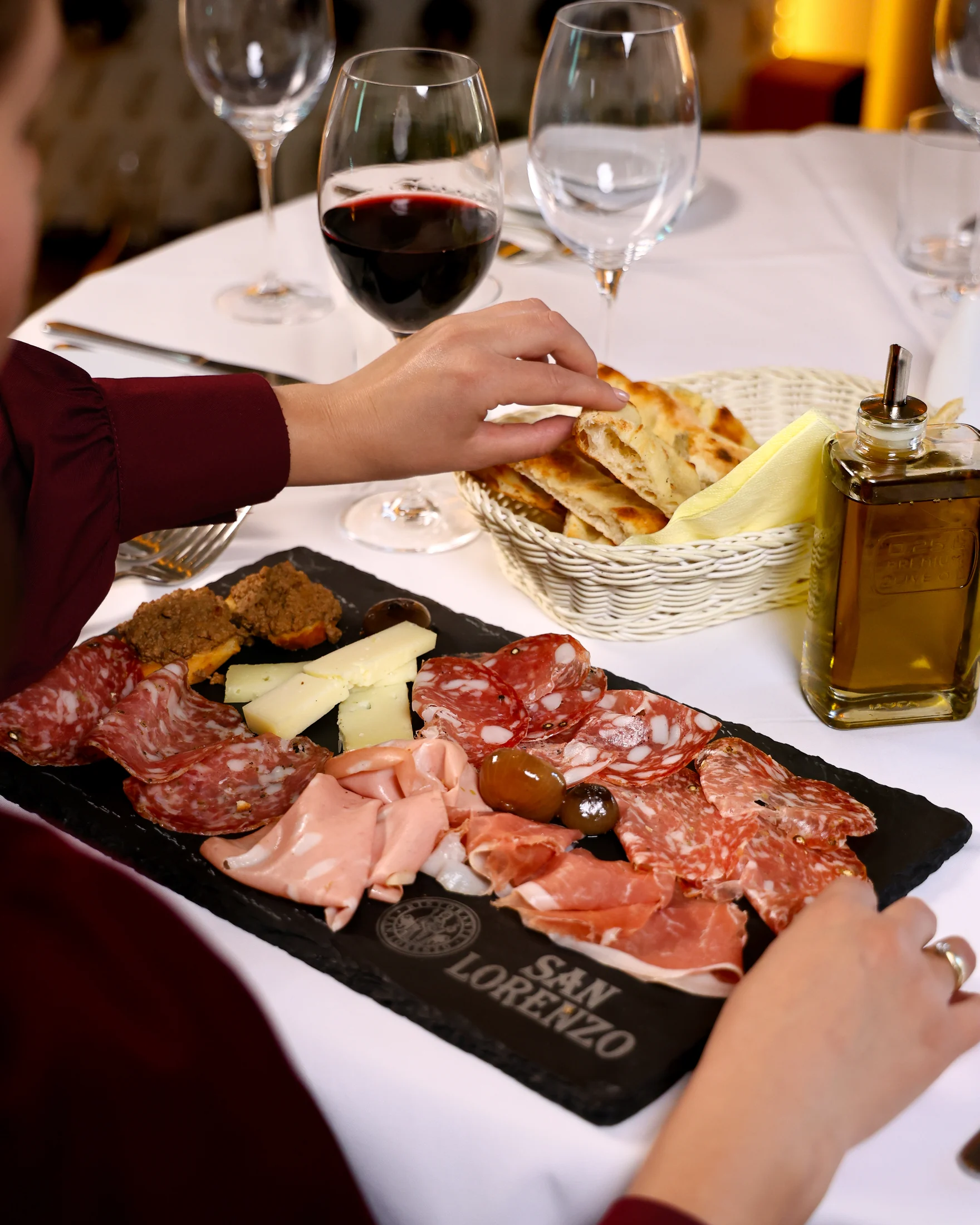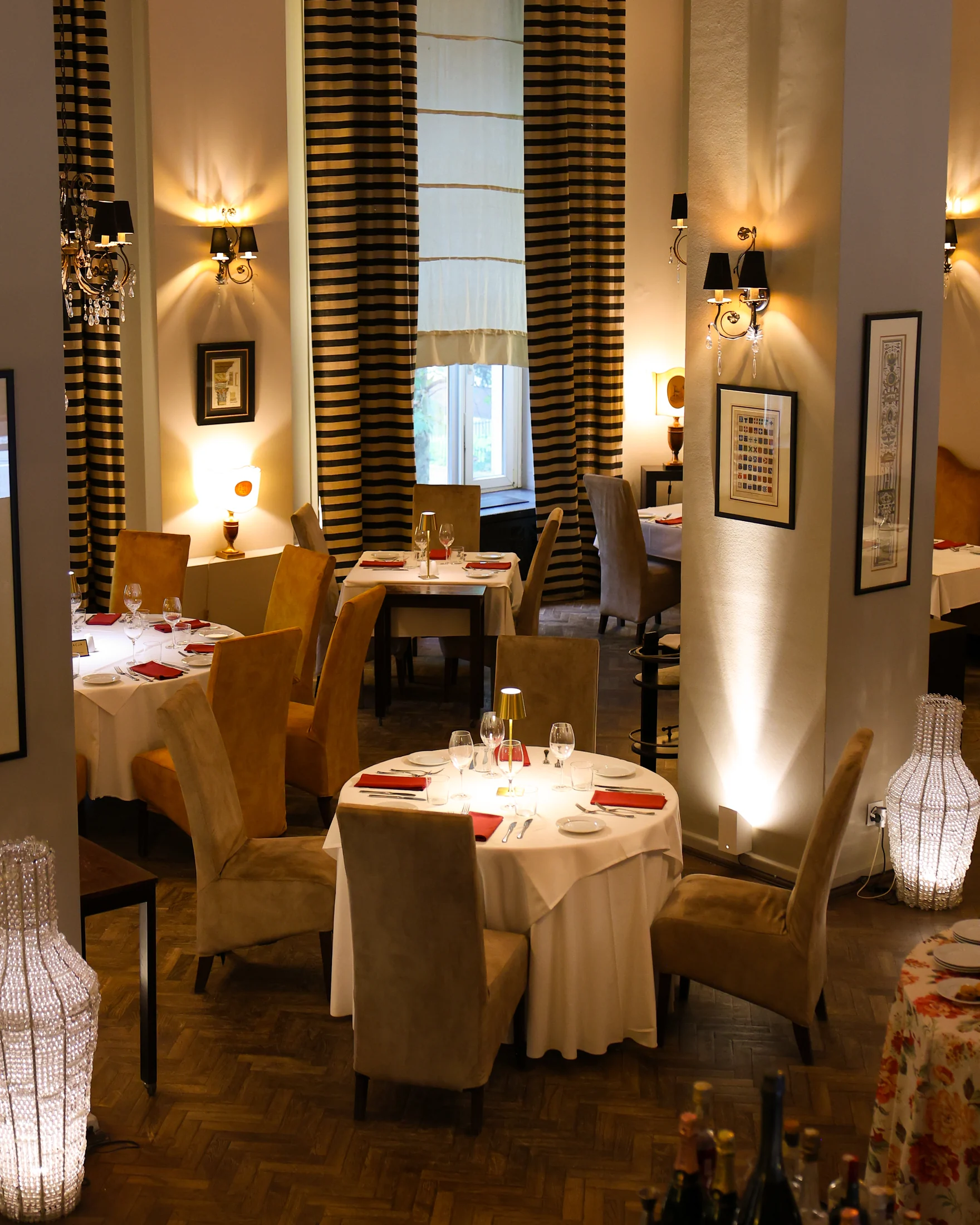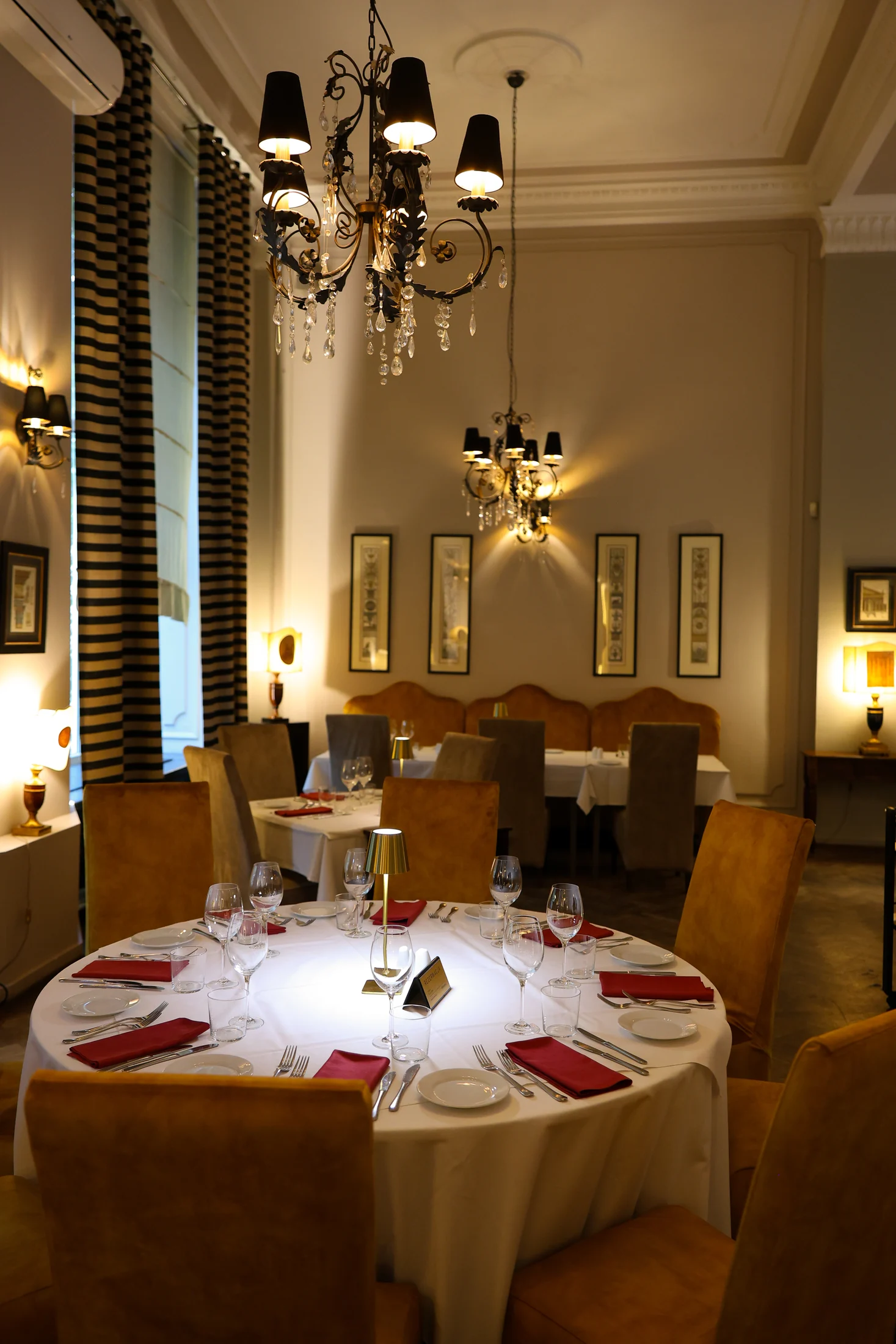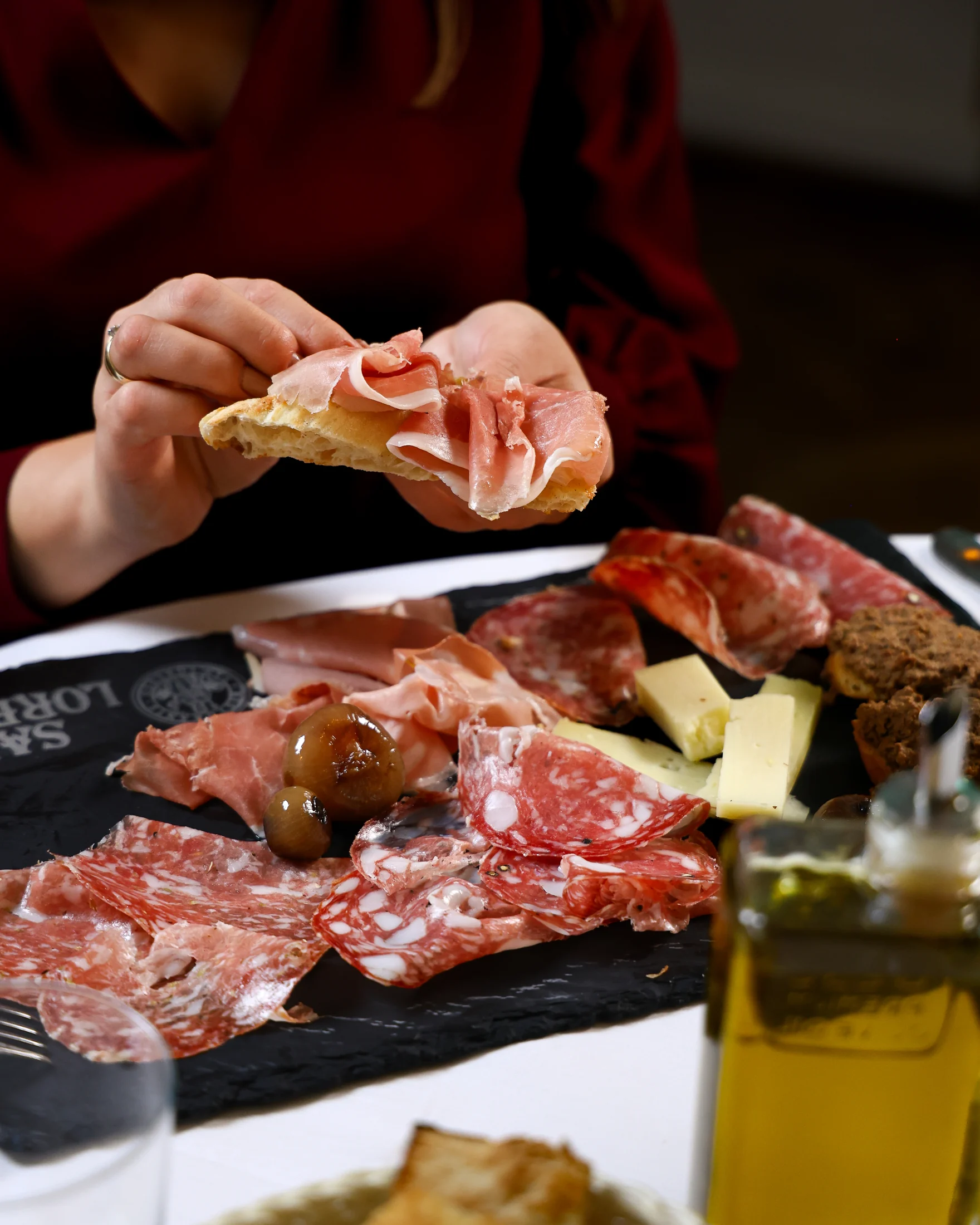


When organising a conference in Warsaw, food service can strongly influence how participants remember the day. A well-timed lunch and thoughtfully planned catering affect comfort, the event experience and the company’s image.
Choosing a Warsaw conference venue with its own kitchen
A venue with an in-house kitchen can reduce transport-related risks and make it easier to coordinate meals with the agenda.
Organisers sometimes focus on floor space and audiovisual equipment, leaving food until the end of negotiations. This can lead to unexpected costs and extra coordination on the day. An in-house kitchen allows break times to be discussed directly with the chef. External catering may offer a wider menu, but requires transport, facilities for keeping food at the right temperature and a separate service plan.
Check three things:
- Is the food cooked on site, or delivered by an outside caterer?
- Is there a separate foyer or buffet area outside the main room?
- Does the venue host several events at once, and how are catering staff allocated?
The last question matters particularly for larger conferences. If two events take their coffee breaks at the same time, pressure on shared staff can delay service and affect the rest of the programme.
In-house kitchen, external catering or an on-site restaurant?
The model affects menu flexibility, additional costs and operational risks.
An in-house kitchen offers close control over timings. Staff know the space and can respond if a presentation runs over. The menu may be based on established dishes, so unusual requests or extensive specialist options should be discussed early.
External catering can offer considerable choice, including vegan, vegetarian or themed buffets. Compare the complete cost, including transport, tableware, service and collection. The source article suggests that for groups below 50, the final cost can be 20–35% higher than an in-house option; treat this as an illustrative comparison, not a guaranteed market difference.
An on-site restaurant can suit smaller conferences, where a business lunch at tables encourages conversation. The source gives groups of 40–50 as an example. For larger groups, check whether everyone can be served within the break rather than in successive sittings.
Coordinating food service with the conference agenda
Lunch and breaks should be planned alongside the sessions, not added afterwards. A lighter, varied meal before afternoon panels is often more comfortable than a very heavy lunch. Offer salads, fish and vegetable dishes as well as alternatives appropriate to guests’ needs.
An example schedule for a 09:00–17:00 conference:
- 09:00–09:15: registration with coffee, tea, water and small snacks.
- 10:30–10:45: a coffee break with fruit, mini sandwiches or biscuits.
- 12:30–13:30: lunch; confirm whether an hour is sufficient for the planned buffet and group size.
- 15:00–15:15: afternoon coffee and something sweet.
- 16:45: closing remarks, optionally followed by networking and refreshments.
Build a preparation buffer into service. If the break begins at 10:30, aim to have the refreshments ready by 10:15. This gives the team time to resolve any last-minute issue before guests leave the room.
Negotiating an inclusive conference package
A package can simplify coordination and may cost less than booking each element separately. The original article suggests potential savings of 15–25%, but actual value depends on the proposal and inclusions.
Day packages may combine room hire, audiovisual equipment, two coffee breaks and lunch. The source gives an indicative range of PLN 180–380 net per person. This is a planning example, not a current San Lorenzo offer; confirm availability, equipment, taxes and prices for your event.
Discuss the following:
- Minimum guest numbers. Ask whether the package can be adapted if your group is smaller than the stated threshold. Repeat bookings or a continuing relationship may support negotiation.
- Cancellation terms. Check deadlines, charges and the possibility of rescheduling. The source discusses 14-, 21- and 30-day notice periods as examples; only the agreed contract determines your actual terms.
- Surplus food. Agree what can happen to uneaten food, subject to the venue’s food-safety procedures. Collection or donation should never be assumed.
- Tableware. Clarify whether ceramic plates and proper cutlery are included or charged separately.
- Technical rehearsal access. Ask about two or three hours in the room beforehand for speakers and technicians, and whether this incurs a charge.
Seasonality and available dates in Warsaw
The source identifies May–June and September–October as busy conference periods, with tighter availability and potentially higher rates. Its indicative price differences of 20–40% should be checked against current proposals.
It suggests booking eight to twelve weeks ahead for events up to 100 people and four to six months ahead for conferences above 200. These are planning guidelines rather than fixed requirements. Specialist catering companies may fill their calendars before venues do, so confirm both together.
January, February and November are described as potentially more flexible months. Compare dates if your programme allows it: the source cites differences of up to 30–40% between October and February, but actual prices vary by venue, date and service.
Technical equipment and participant comfort
Choose equipment around the event’s real requirements, especially if remote participants will join. A room advertised as having audiovisual equipment may still lack the connections, sound coverage or network capacity you need.
Check:
- Projector resolution and brightness in the room’s actual lighting; the source uses 5,000 ANSI lumens as an example for a larger daylight room, not a universal minimum.
- Internet capacity available for the event rather than shared indiscriminately with all guests.
- Laptop connections and necessary HDMI, USB-C or DisplayPort adapters.
- Cameras, microphones and streaming arrangements for a hybrid event.
For live streaming, confirm the required upload capacity with your technical provider and test the connection. The source cites 20 Mbps as a planning example. A separate technical connection can reduce disruption when many participants connect to guest Wi-Fi at once.
Dietary options and the event’s image
Food is a visible part of the conference experience. Do not guess guests’ dietary needs from general statistics: ask during registration and confirm requirements with the kitchen.
Clearly labelled vegetarian, vegan and other agreed options help guests choose without searching for staff at every dish. People who cannot find a suitable meal may remember that more clearly than the rest of the programme.
Discuss ingredient information, separate serving utensils and measures to prevent cross-contact where needed. Staff should know who can answer questions about allergens. The venue must confirm which dietary requirements it can safely accommodate.
A planning checklist for a conference in Warsaw
A clear checklist moves decisions out of last-minute crisis mode and into preparation.
Eight to twelve weeks ahead: obtain written venue confirmation, discuss the food service model and initial menu, reserve or confirm audiovisual equipment, and send participants the date, location and travel information.
Four weeks ahead: review guest numbers, note the venue’s final confirmation deadline, send dietary requirements to the kitchen, agree the service timetable and check cancellation or rescheduling terms. The source mentions final-number deadlines of 14–21 days, but confirm your own booking conditions.
One week ahead: rehearse the technical setup with speakers, confirm catering delivery times if applicable, and agree registration and movement between the meeting room and buffet area.
On the day: arrive early — the source suggests at least 90 minutes before the start — check refreshments and materials, meet the catering coordinator and reconfirm the break schedule.
Warsaw offers many conference venues, giving organisers opportunities to compare and negotiate. Understanding seasonality, catering models and technical needs helps turn that choice into a well-run event that participants will want to attend again.